Italian Furniture Design: From Renaissance Heritage to Contemporary Expression
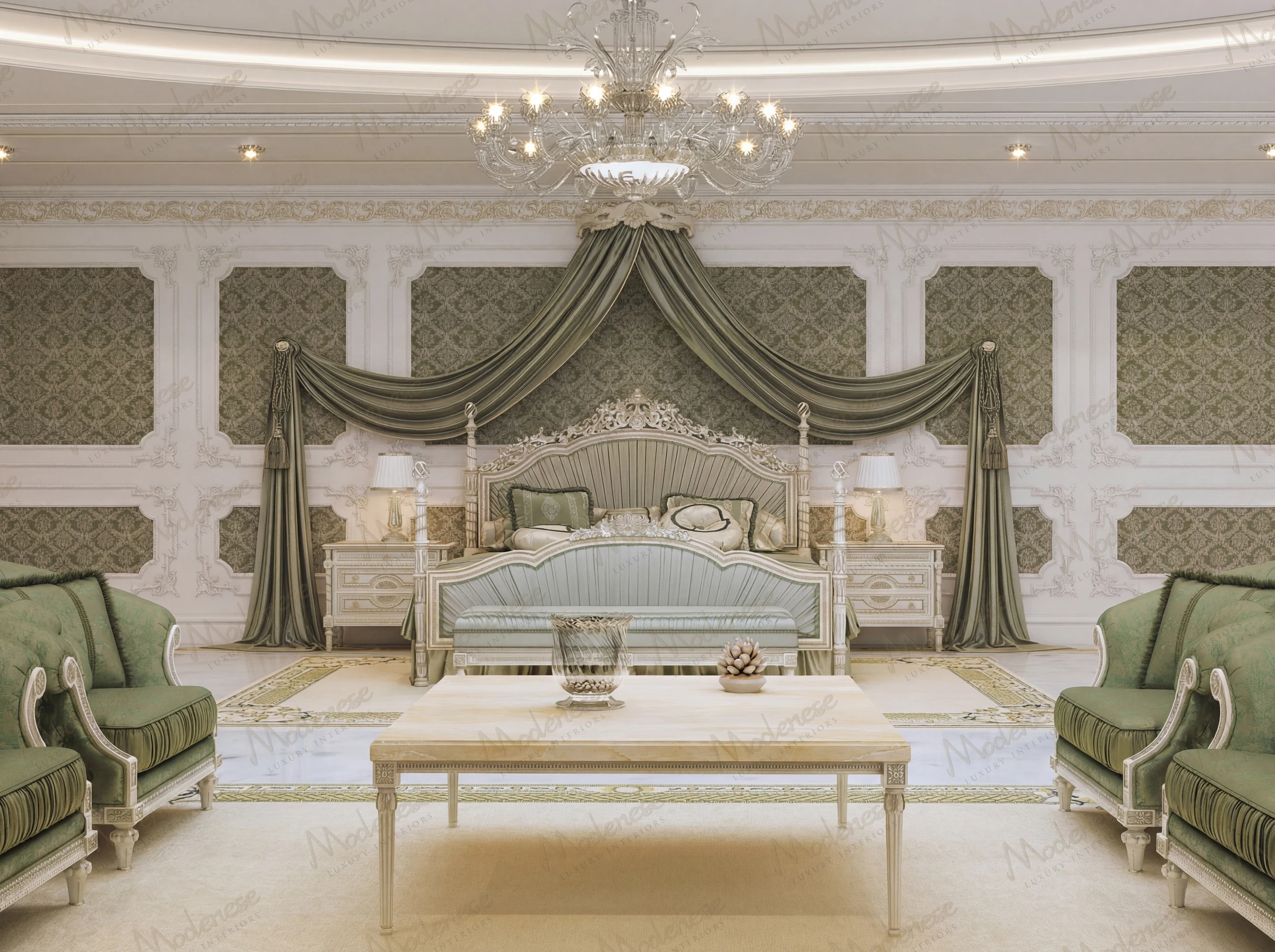
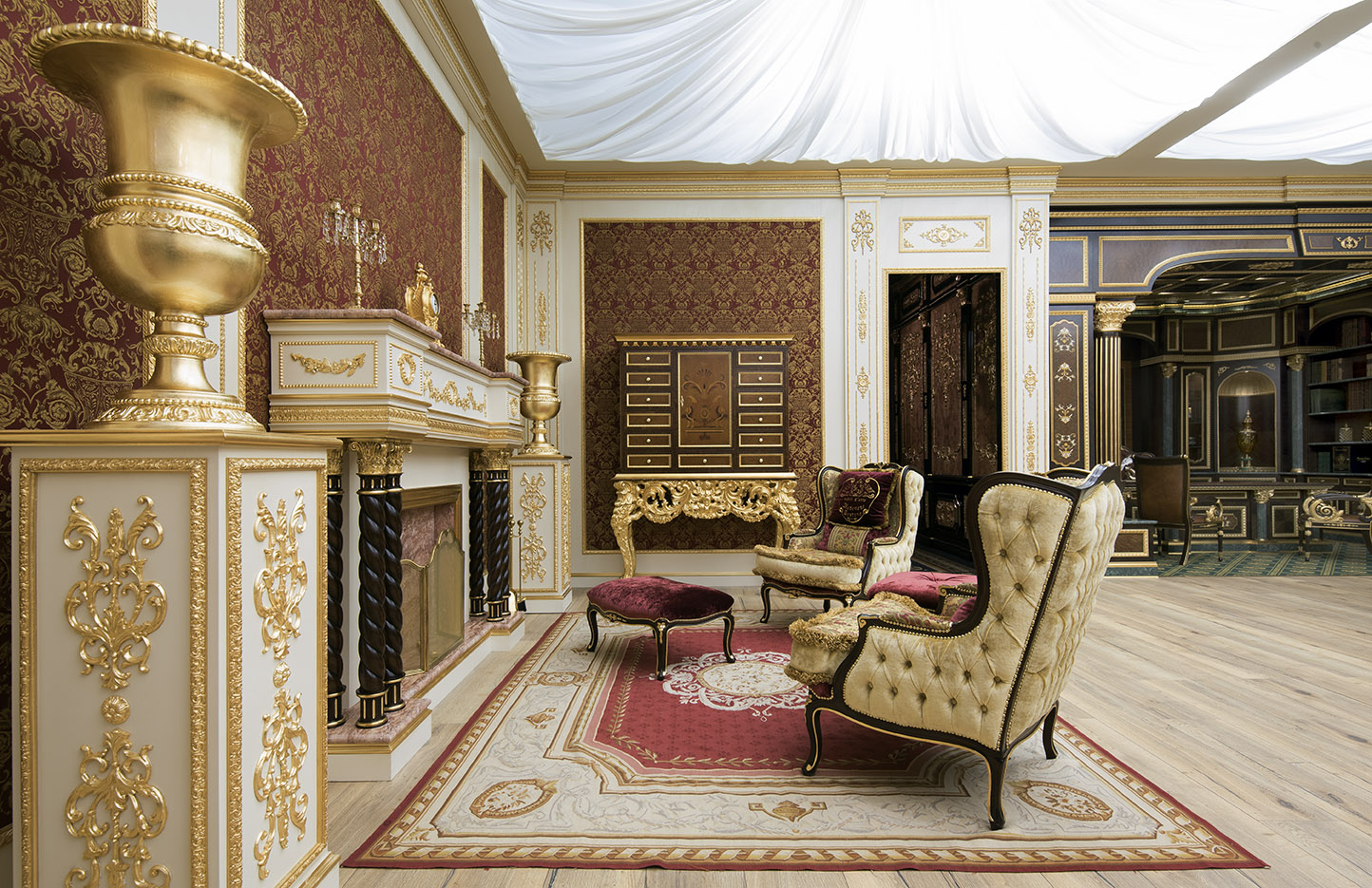
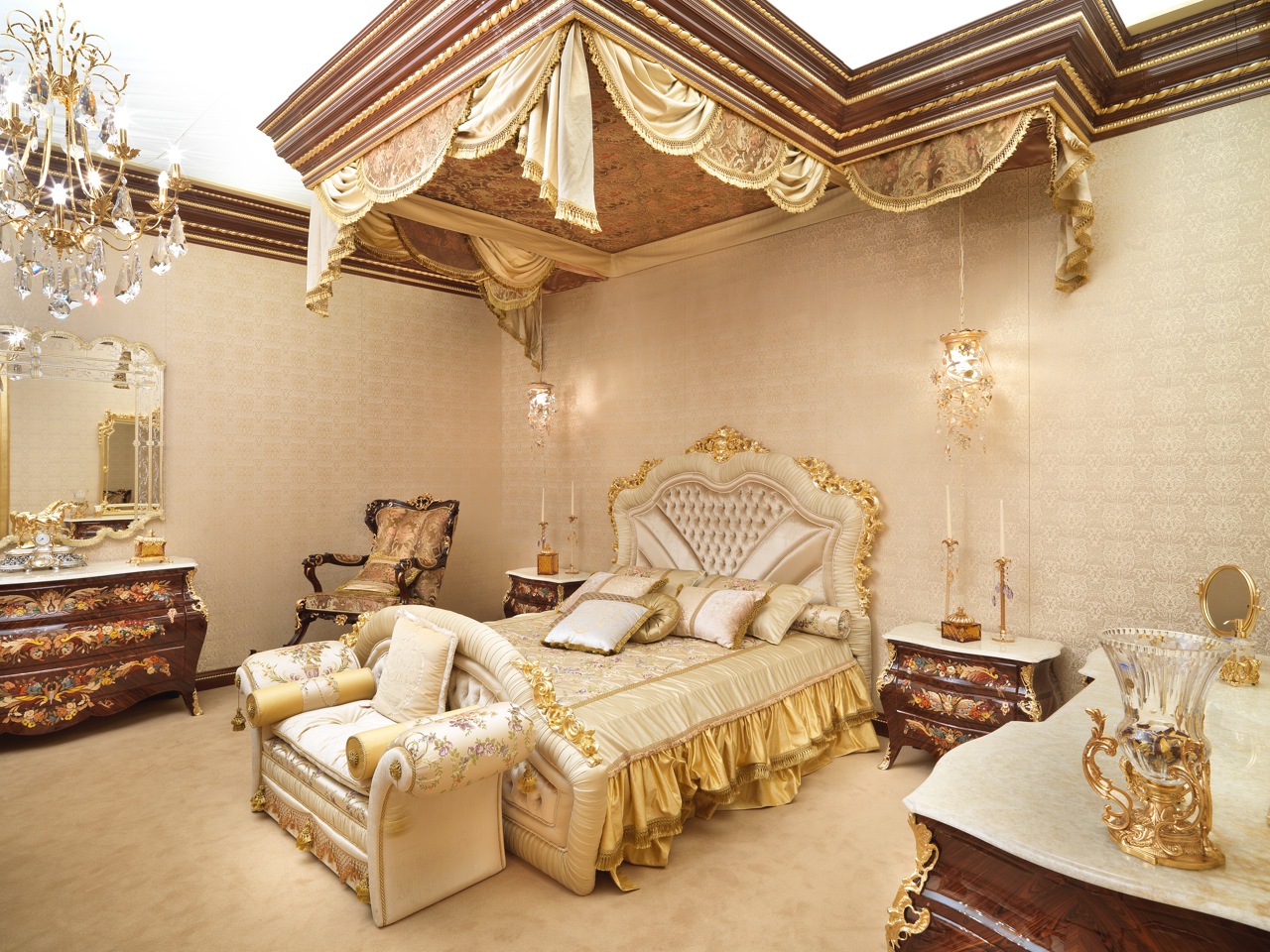
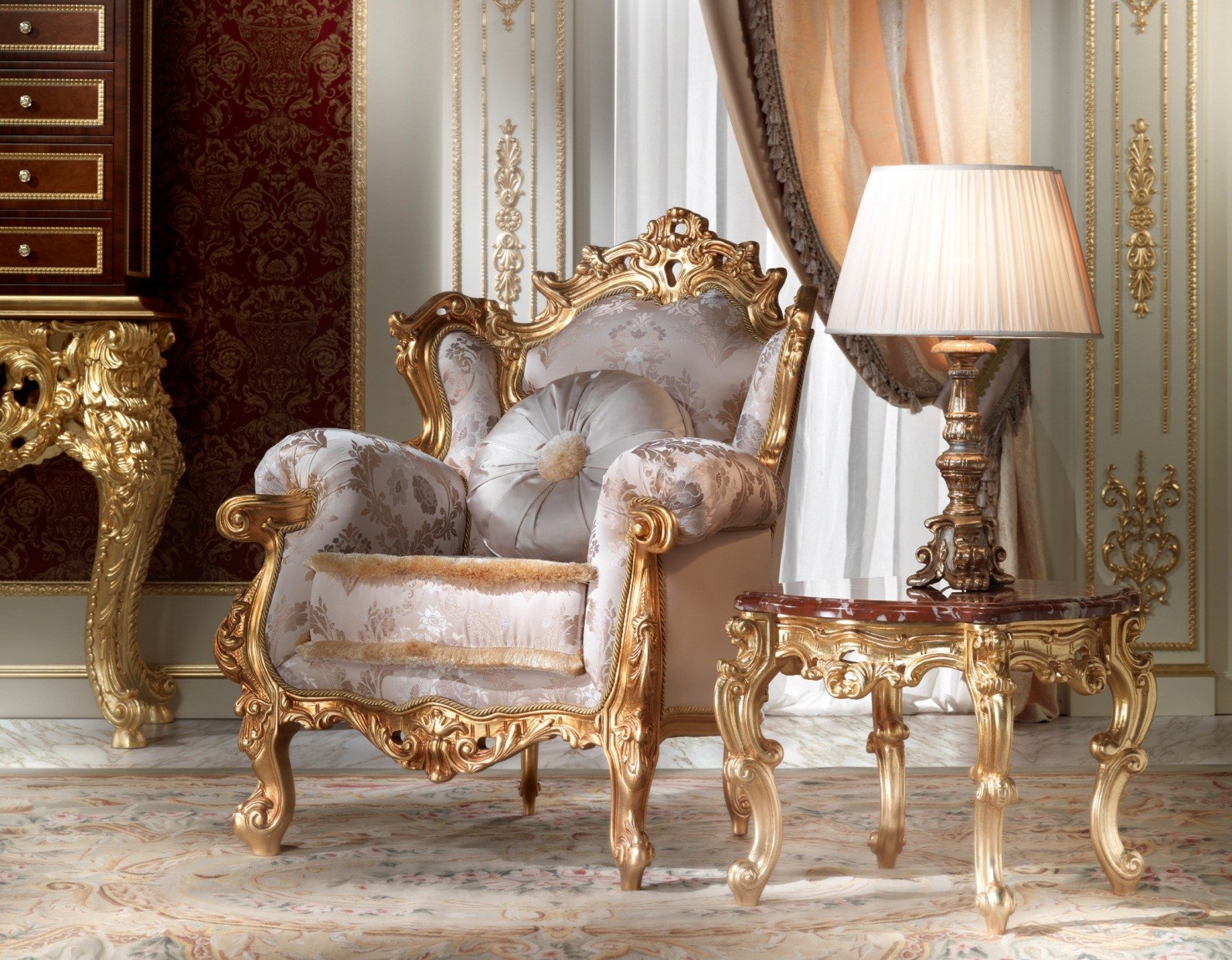
Italian furniture design has played a pivotal role in shaping the evolution of interior design, establishing a legacy that spans from the Renaissance to the present day. During the Renaissance, furniture became an integral part of architectural and artistic expression, conceived as an extension of buildings rather than as isolated objects. Proportion, symmetry, and classical references guided design choices, while carved wood surfaces, columns, pediments, and cornices reflected the influence of ancient architecture. Furniture also held strong social significance: elaborately decorated beds, canopy structures, and finely crafted chairs symbolized wealth and status, while functional pieces such as cassoni combined storage with decorative value. Mythological, religious, and historical motifs enriched surfaces through carvings, arabesques, foliage, and figurative elements, establishing a visual language that continues to inform Italian furniture aesthetics.
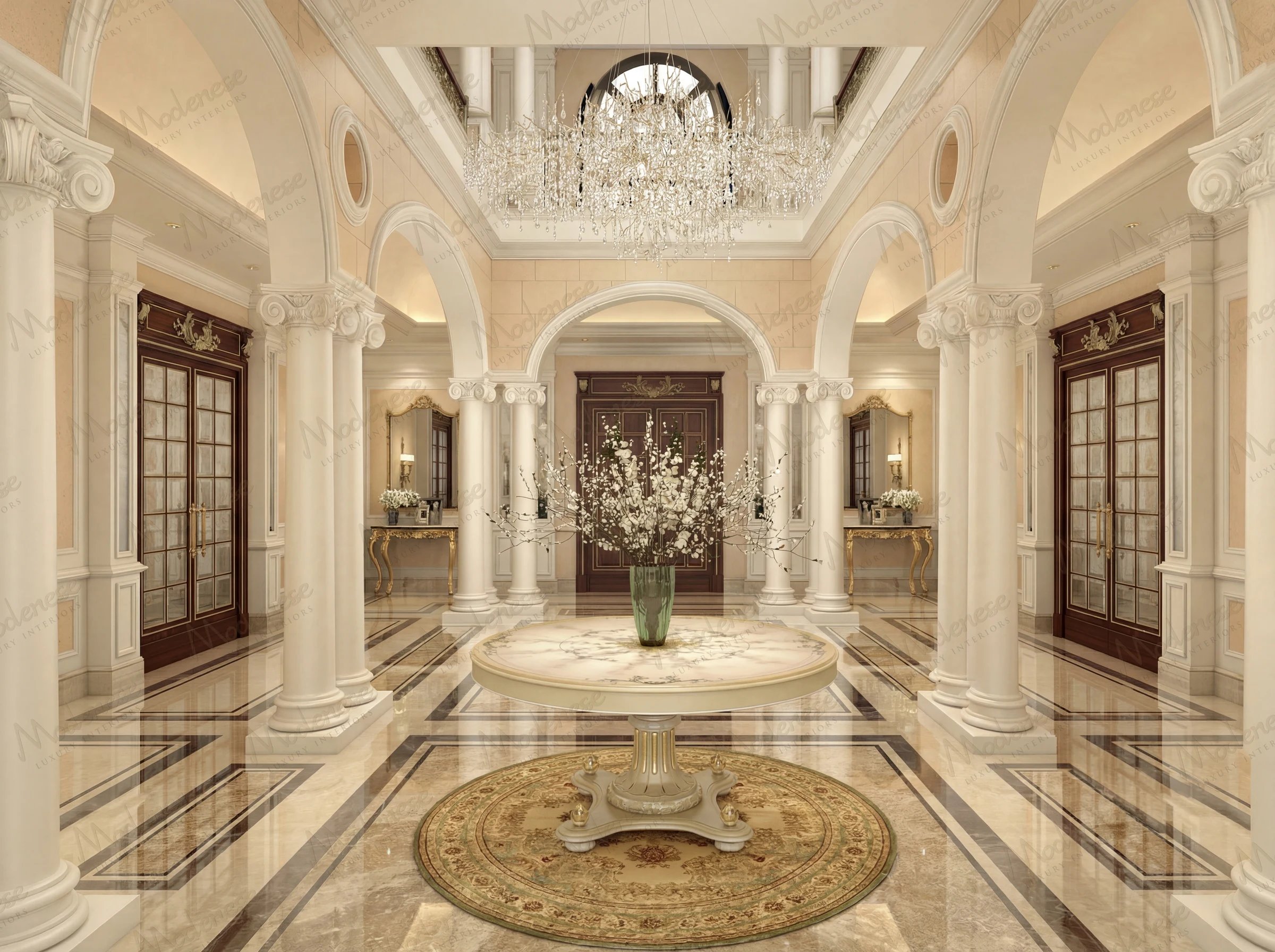
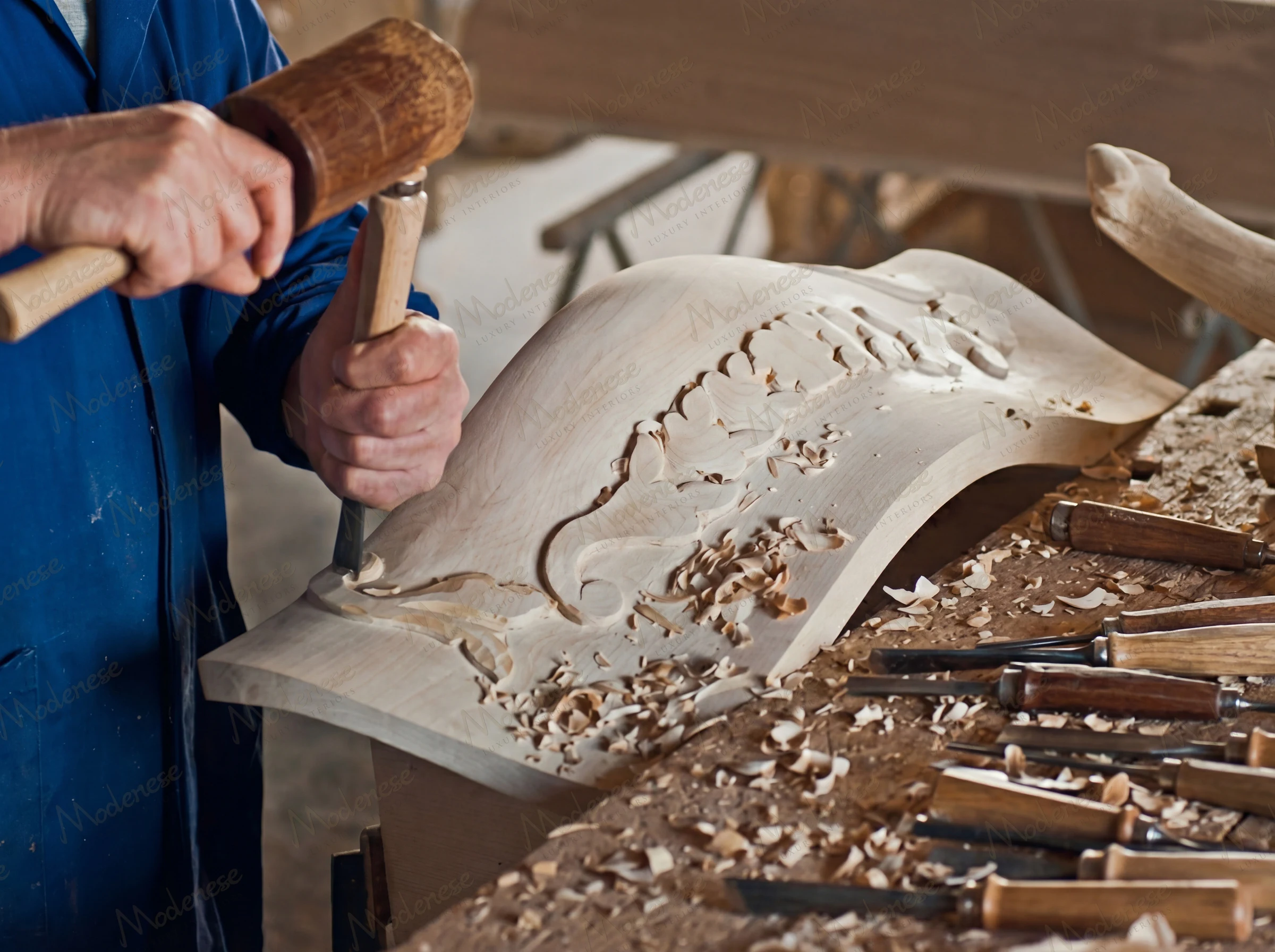
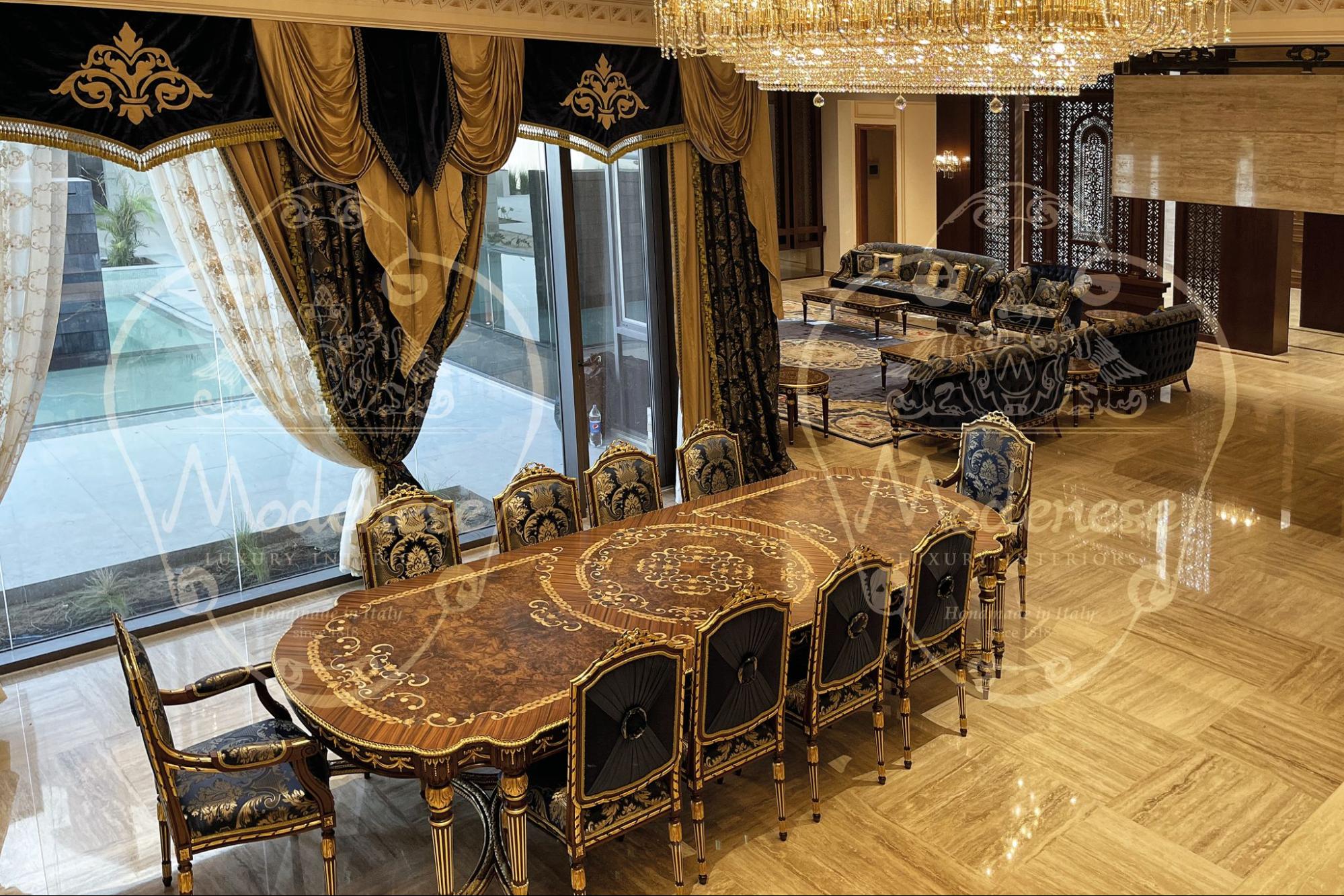
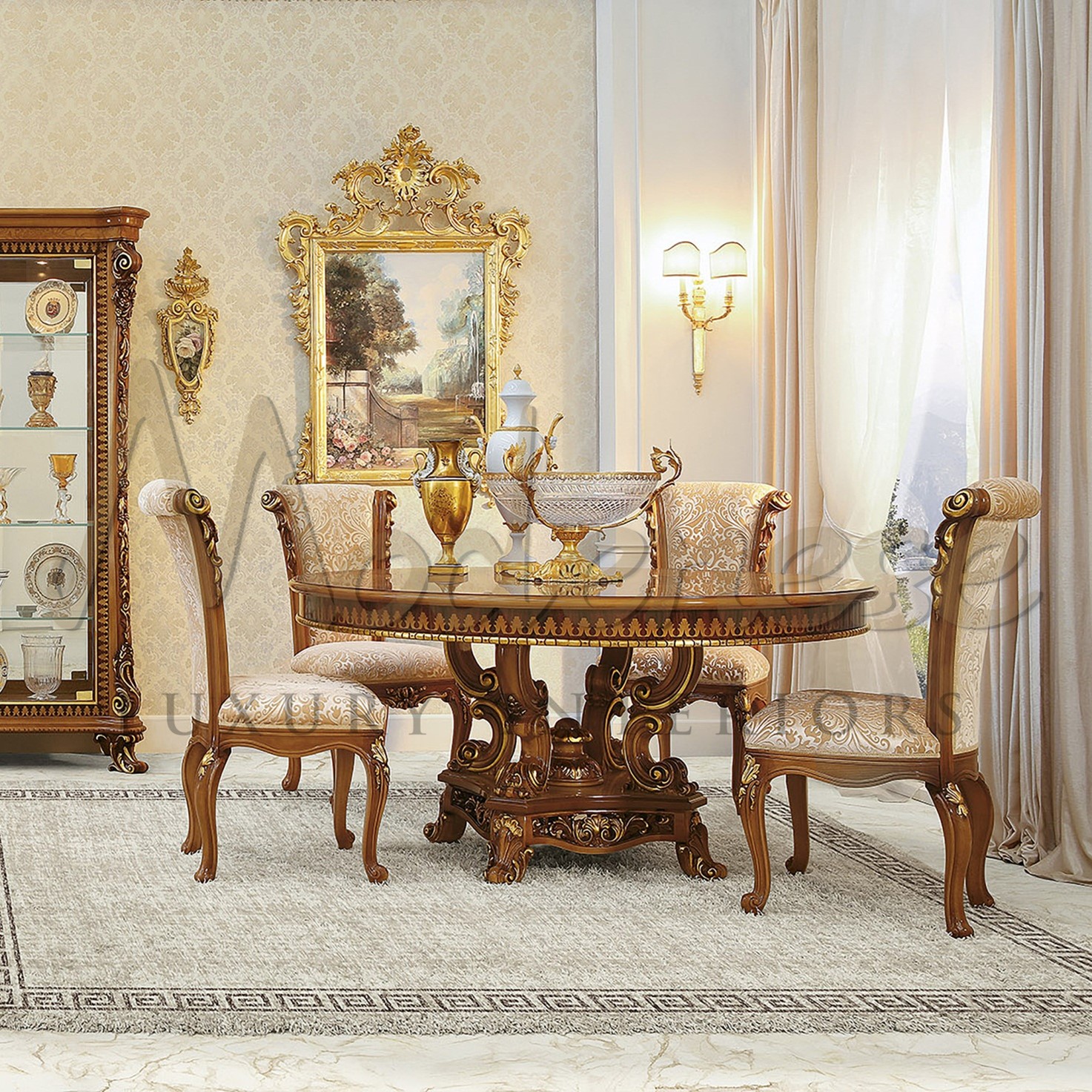
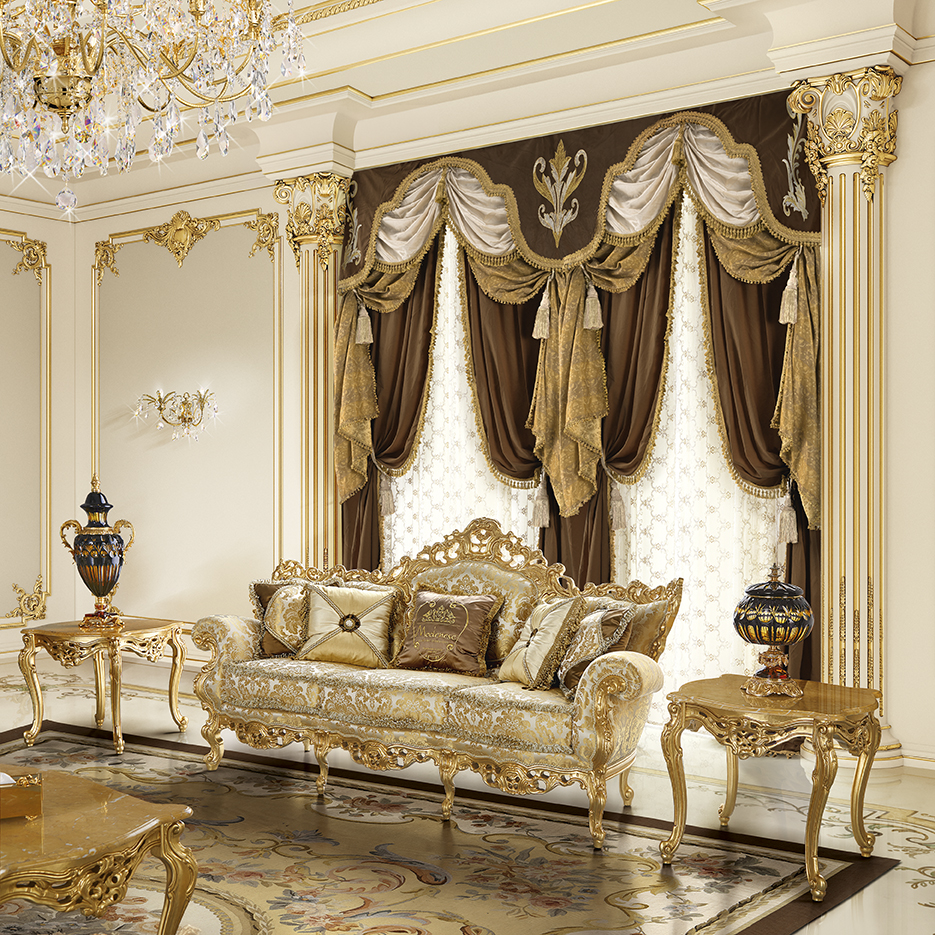
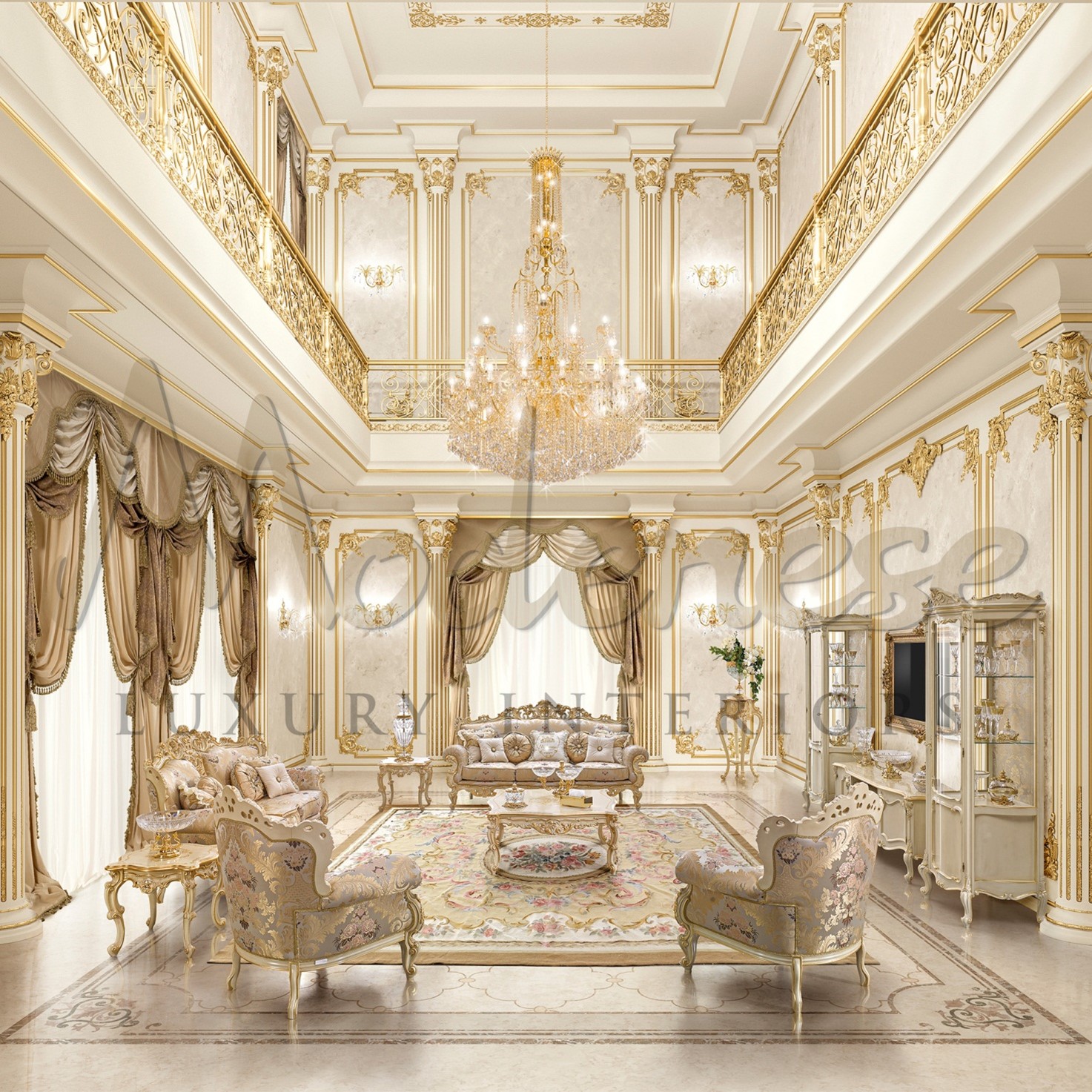
As Italian furniture design evolved, its influence expanded beyond national borders, inspiring craftsmen and courts across Europe. Over time, classical Italian furniture refined its identity through the use of high-quality materials such as solid wood, marble, glass, and fine textiles, paired with exceptional artisanal techniques. Elegant sofas, dining tables, and seating systems became central to refined interiors, valued for both durability and visual harmony. The adaptability of Italian furniture allowed it to evolve alongside changing tastes while preserving its essential character. Traditional forms were reinterpreted to suit contemporary lifestyles, demonstrating how Italian design successfully balances historical depth with innovation. This ability to merge craftsmanship, comfort, and timeless aesthetics has positioned Italian furniture as a benchmark in luxury residential and contract interiors worldwide.
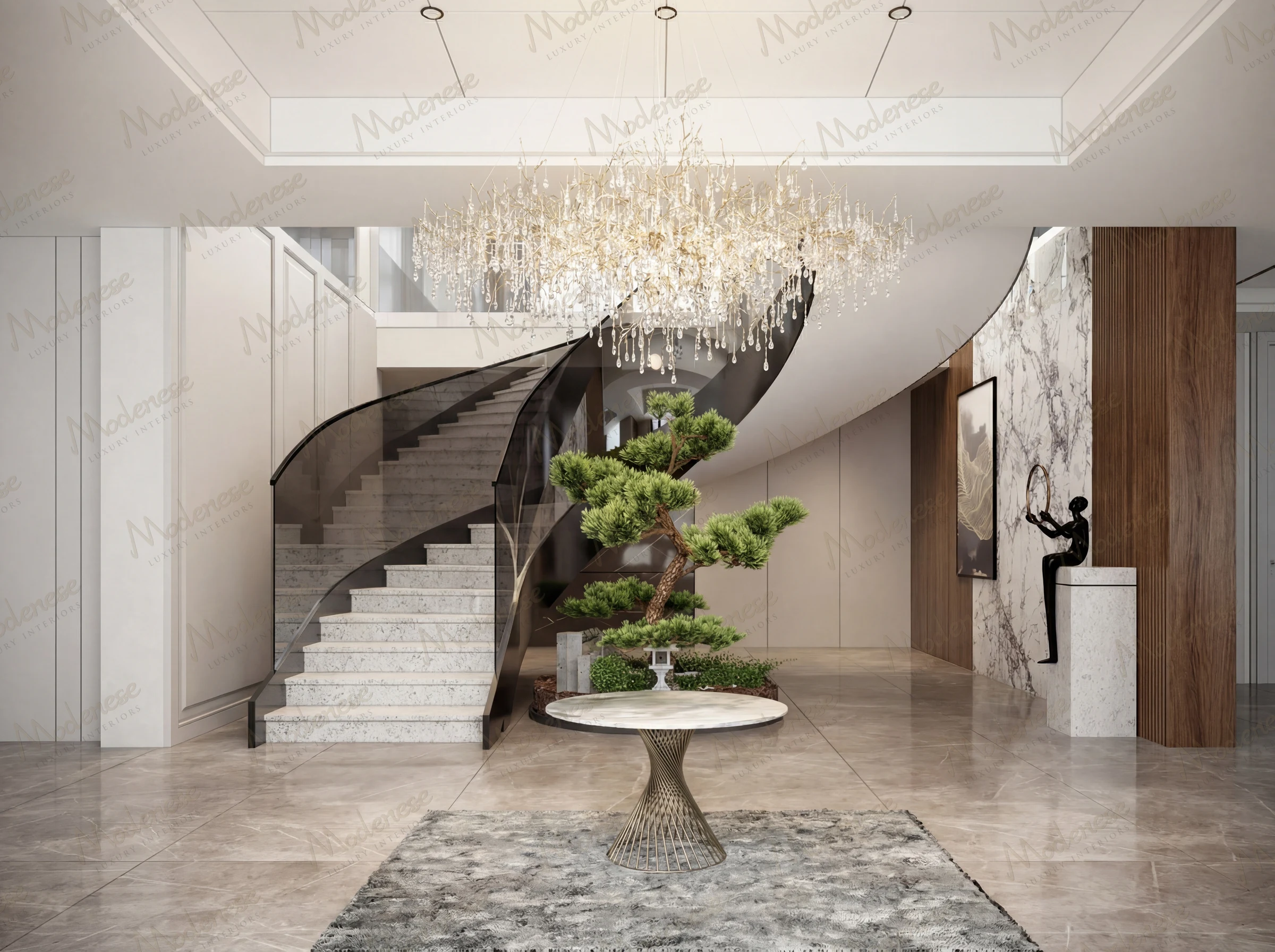
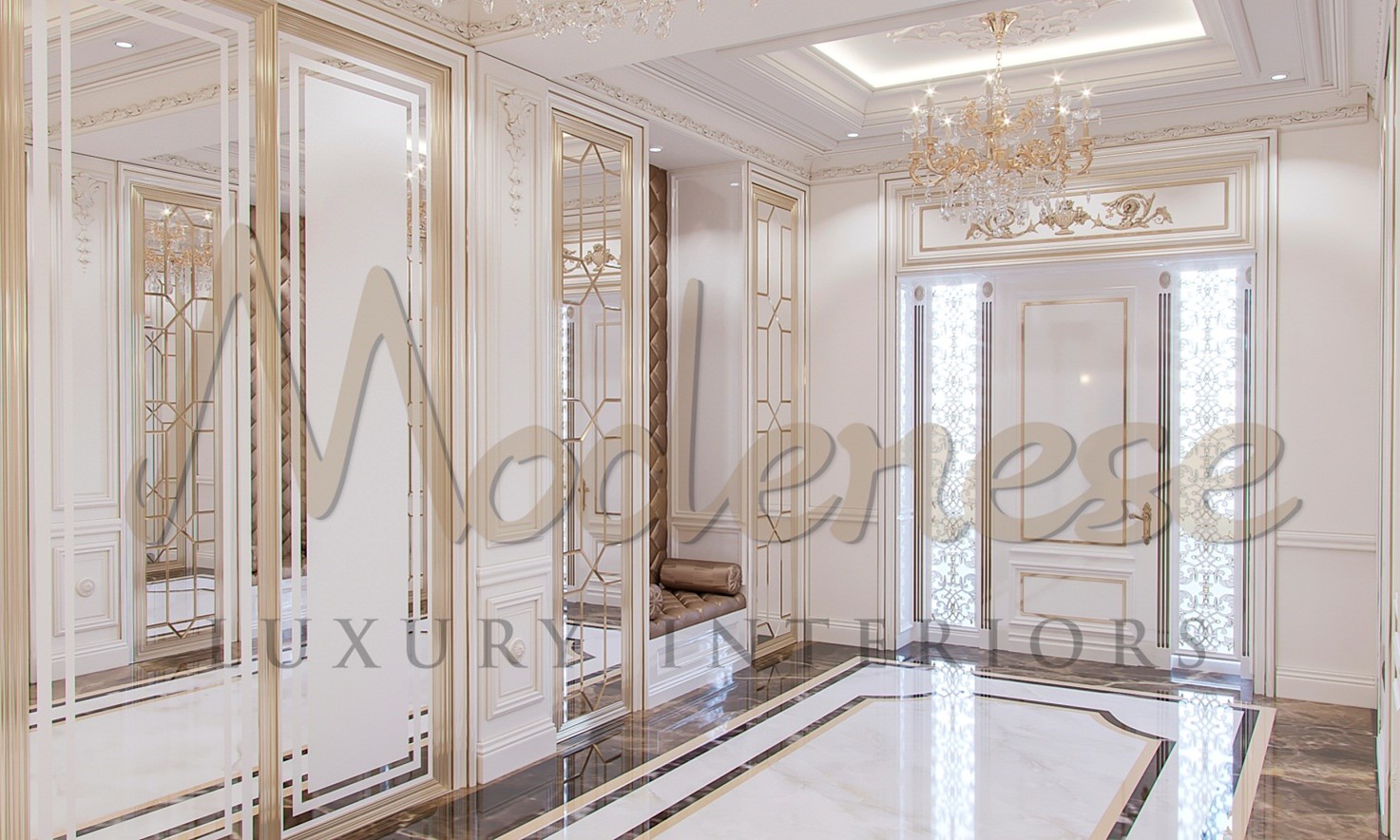
In modern interior design, Italian furniture continues to play a defining role, seamlessly integrating into both classic and contemporary environments. Clean lines, architectural proportions, and functional solutions characterize modern Italian design, while decorative elements remain carefully measured and purposeful. From refined living spaces and dining rooms to executive offices and luxury villas, Italian furniture enhances interiors through coherence and material quality. Its presence is particularly valued in international design hubs such as Dubai, where Italian furnishings are chosen to elevate sophisticated residential and hospitality projects. Whether expressed through bespoke creations or carefully curated collections, Italian furniture design remains a testament to cultural heritage, technical mastery, and enduring elegance, offering interior solutions that transcend trends and enrich living spaces over time.
Contact us
Please leave your details below and one of our sales agents will be happy to answer any questions and assist you