The Elegance of Luxury Italian Furniture: A Balance of Style, Craftsmanship, and Functionality
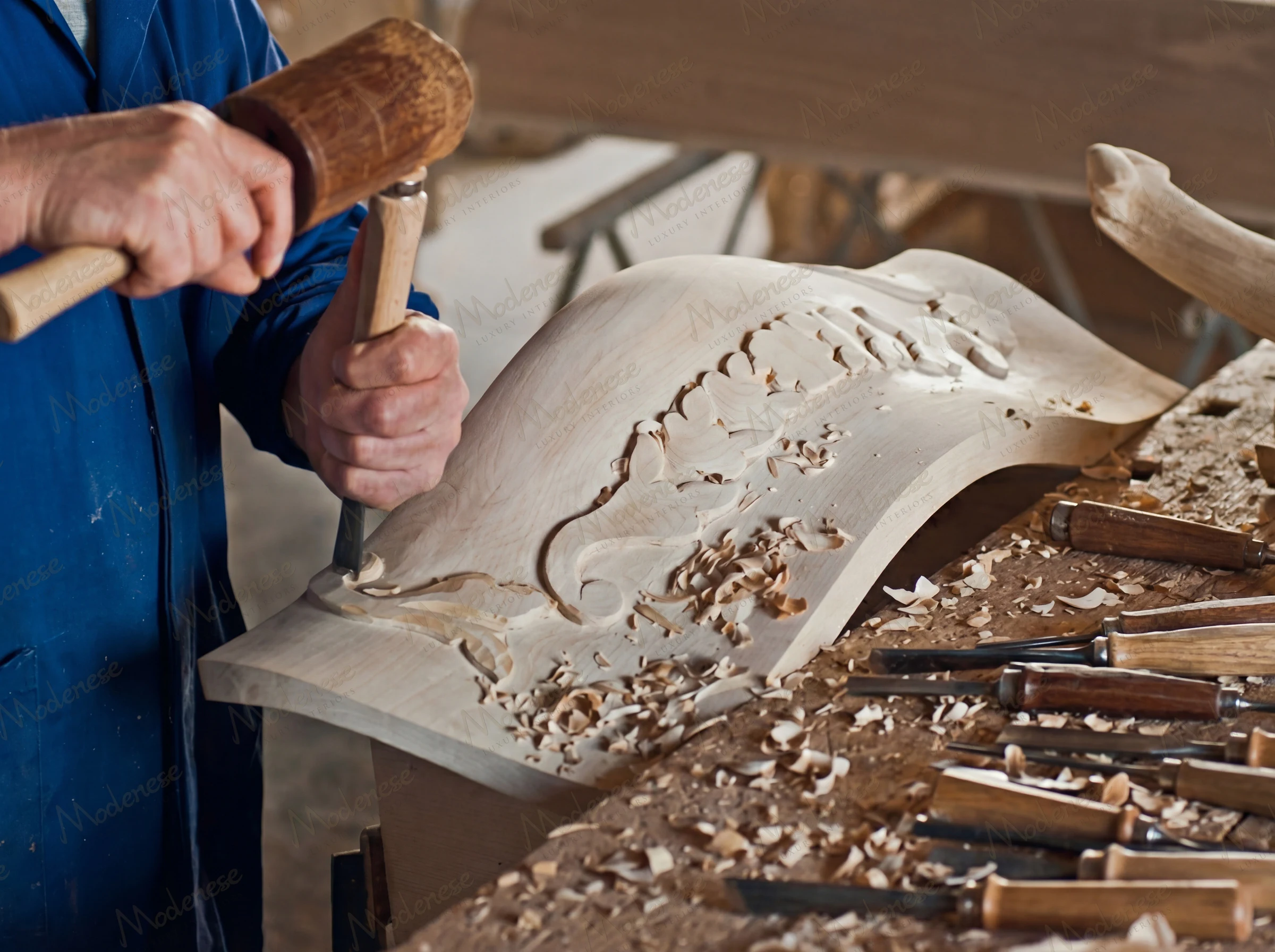
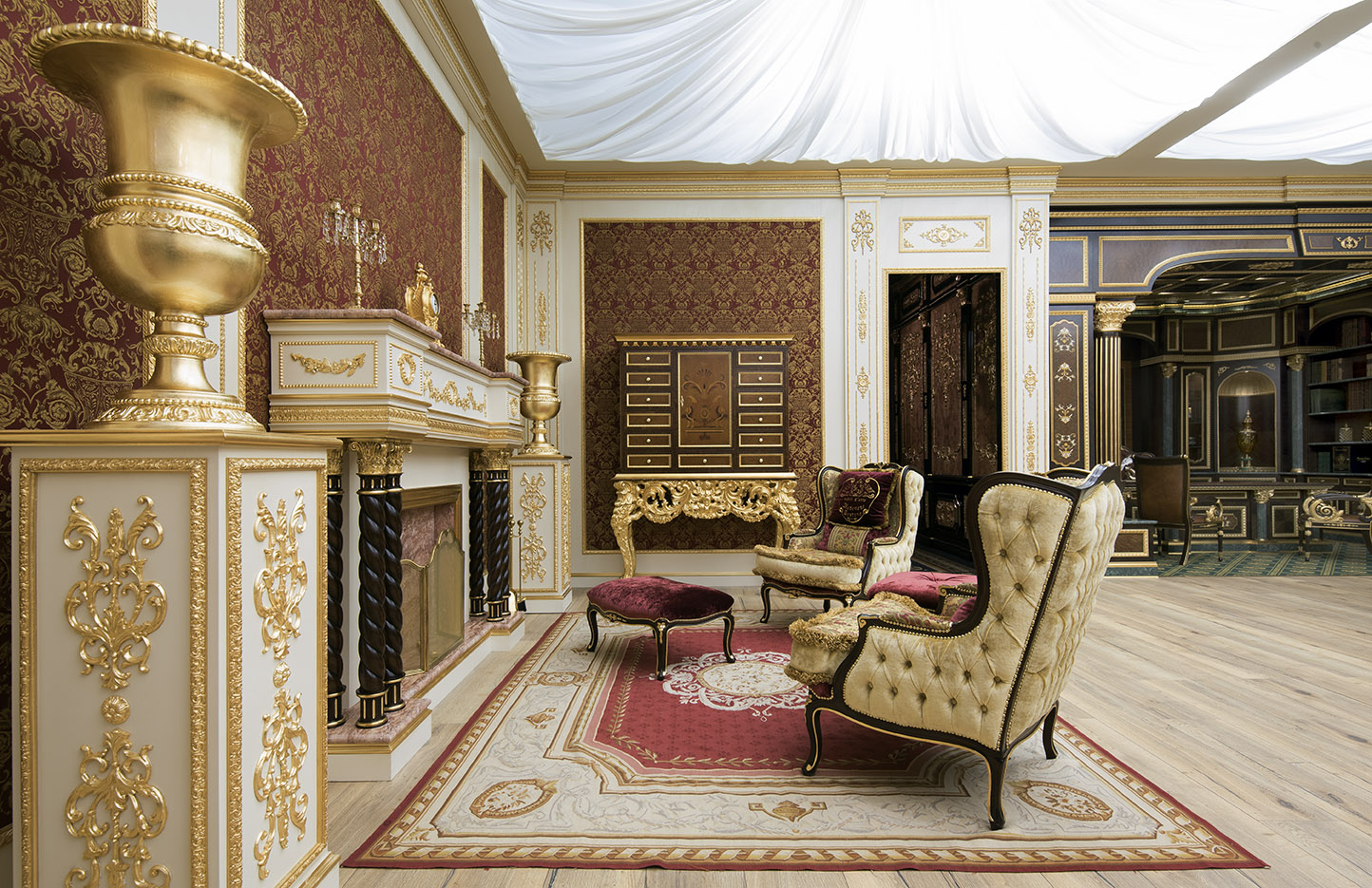
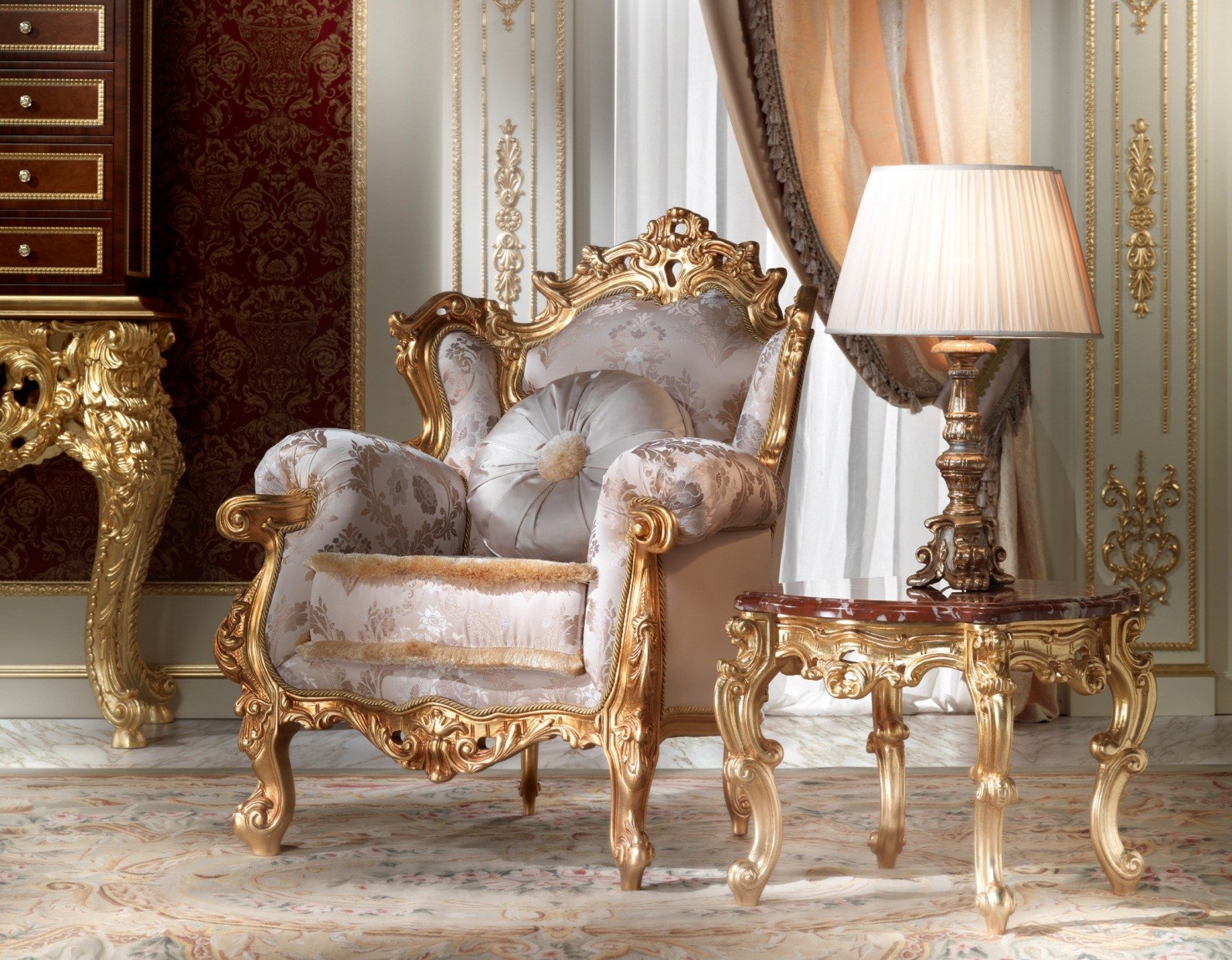
Luxury Italian furniture has long occupied a central position in the world of interior design, admired for its refined aesthetics, cultural depth, and exceptional craftsmanship. Its evolution reflects centuries of artistic research, beginning in the Renaissance, when furniture was conceived as an extension of architecture and fine art. During this period, Italian furnishings were characterized by sculpted forms, intricate carvings, and decorative references inspired by classical antiquity. Woodworking techniques developed alongside the decorative arts, resulting in furnishings that combined visual richness with structural precision. Materials such as walnut, oak, cypress, marble, and later rare inlays and finishes, elevated furniture to an artistic statement, reinforcing Italy’s reputation for excellence in design and manual skill.
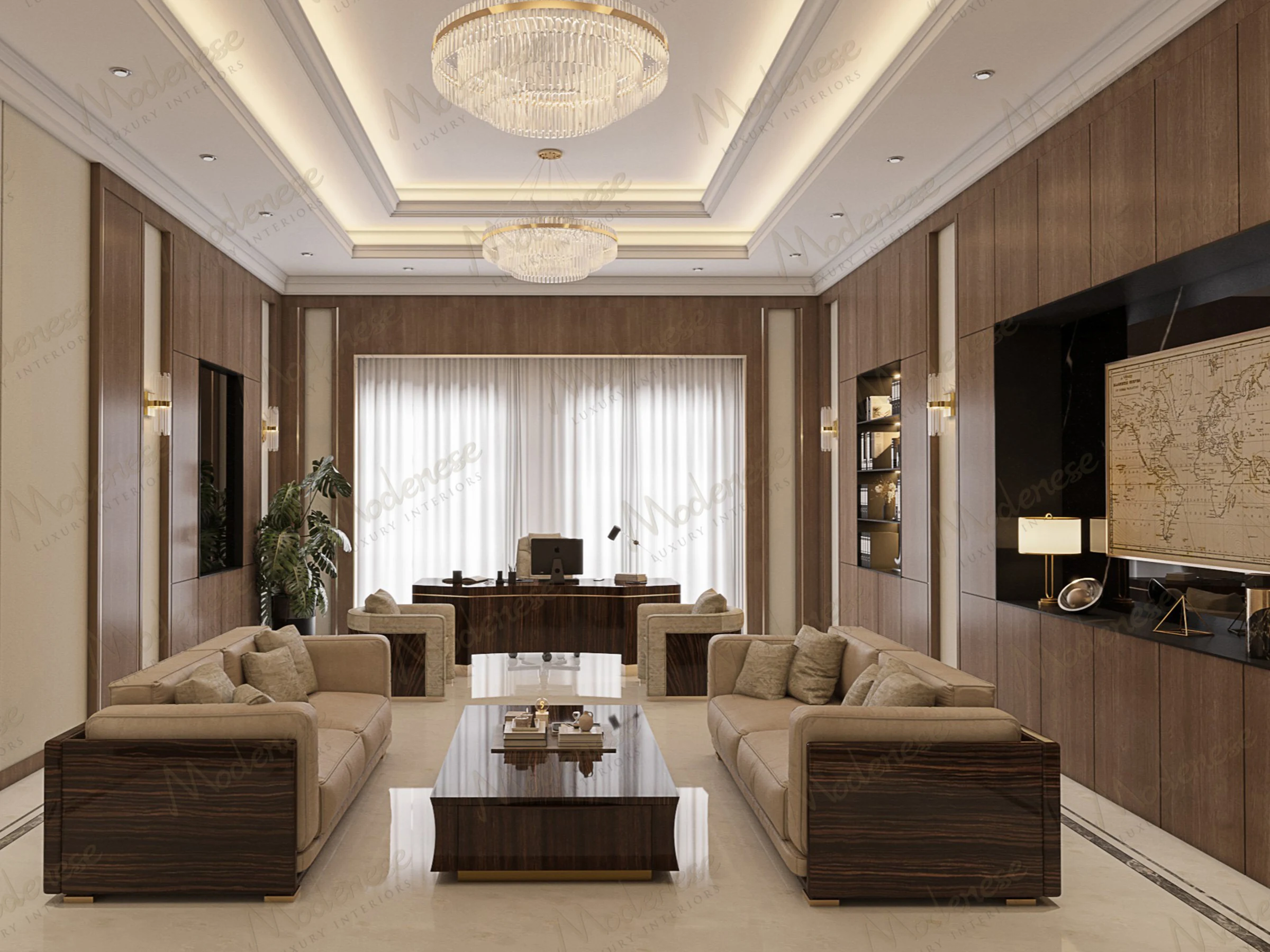
Over time, Italian furniture design continued to evolve, responding to cultural and technological change while preserving its essential identity. The Baroque period introduced expressive forms and elaborate surface treatments, while later centuries saw a gradual refinement of proportions and ornamentation. Italian craftsmanship also expanded into related disciplines, such as glassmaking and decorative detailing, particularly in cities like Venice, where innovation in materials and finishing techniques influenced furniture aesthetics. In the modern era, Italian furniture adopted cleaner lines and more streamlined silhouettes, emphasizing functionality without sacrificing elegance. This evolution demonstrates the ability of Italian design to adapt to contemporary lifestyles while maintaining a strong connection to tradition, craftsmanship, and material integrity.
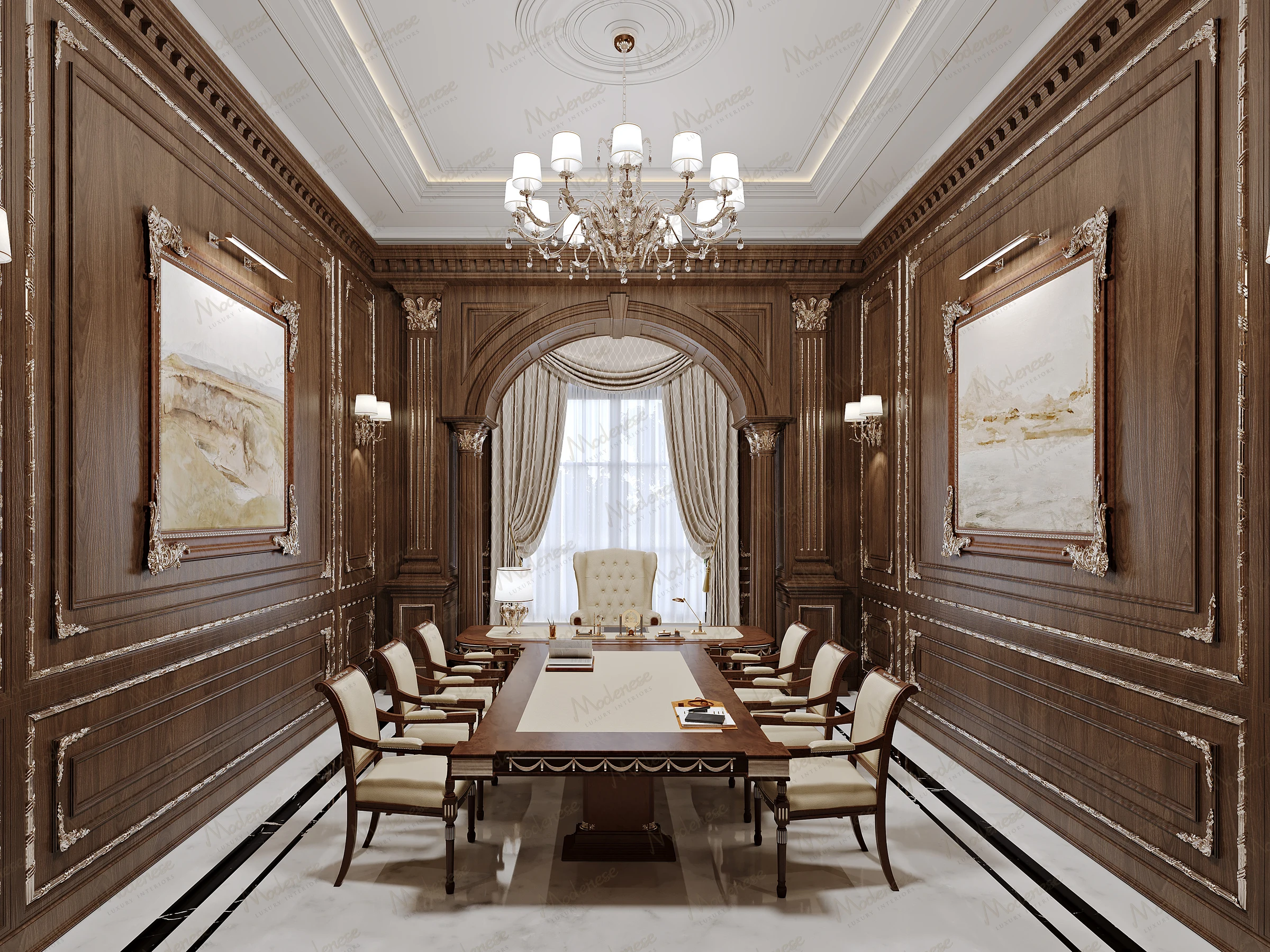
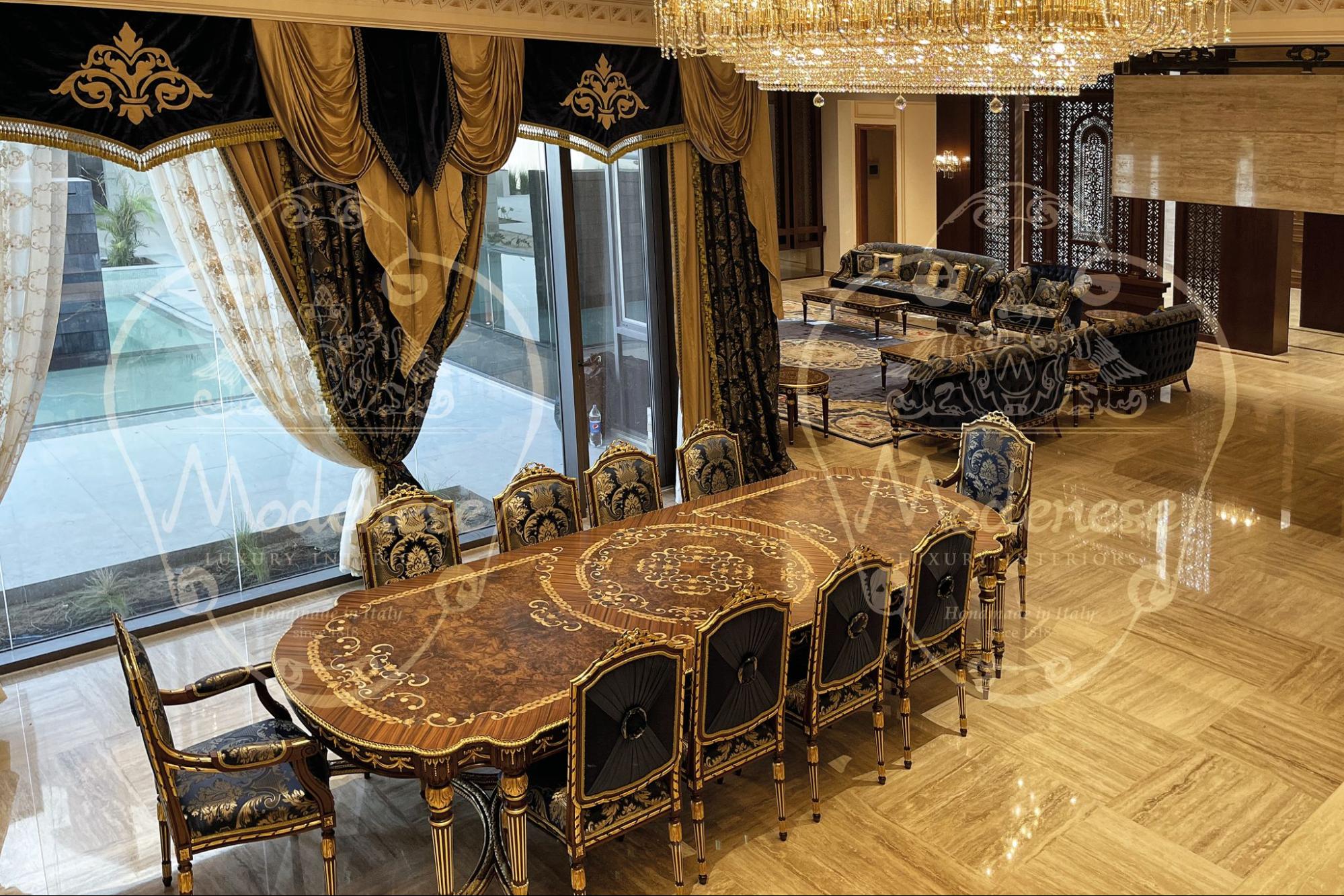
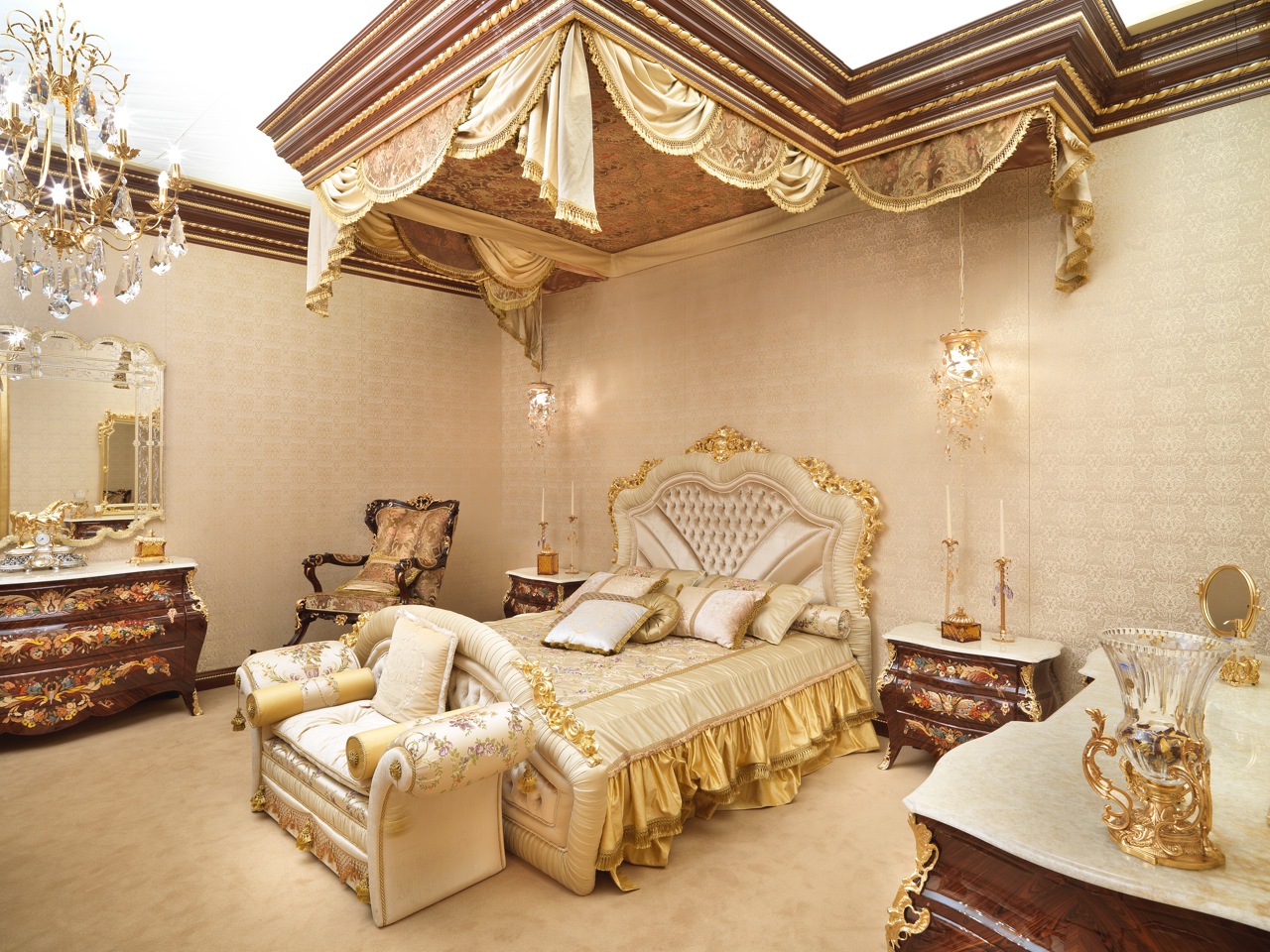
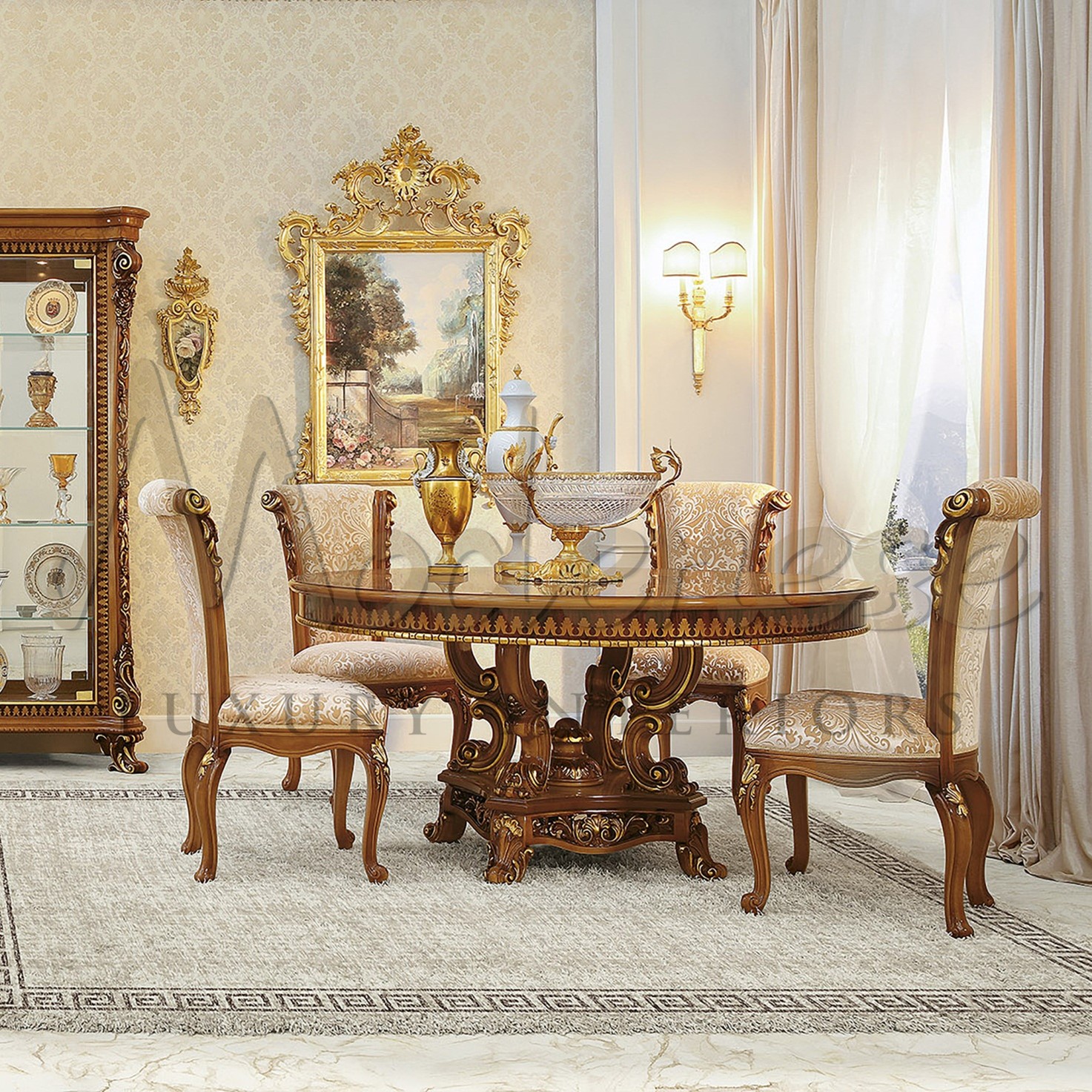
Today, luxury Italian furniture is defined by its harmonious integration of form and function. Designers prioritize comfort, usability, and durability, creating pieces suited for refined residential interiors, professional environments, and hospitality spaces. Italian sofas, dining tables, bedroom furnishings, and office solutions are designed to complement diverse interior styles, from classical to contemporary. Custom-made and bespoke furniture further enhances this versatility, allowing for personalized dimensions, finishes, and materials that align with architectural context and individual taste. Incorporating Italian furniture into home décor involves a thoughtful balance of textures, finishes, and proportions, whether through soft leather upholstery, warm wood tones, or carefully selected decorative accents. Ultimately, Italian furniture represents a lasting investment in quality and design culture, transforming interiors into cohesive, sophisticated environments where elegance and functionality coexist naturally.

Contact us
Please leave your details below and one of our sales agents will be happy to answer any questions and assist you