The Beauty of Antique Italian Furniture: Timeless Character and Refined Living
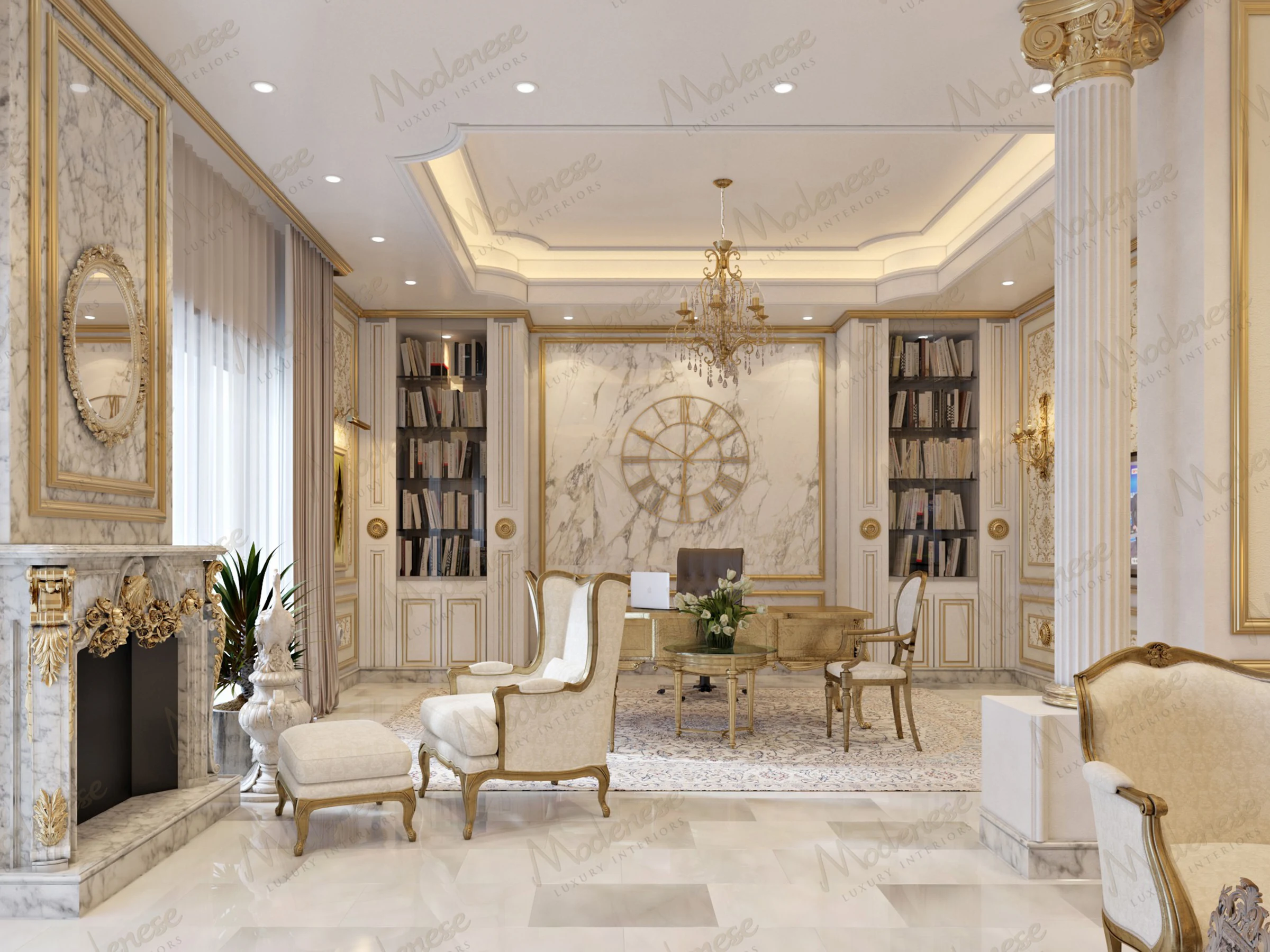
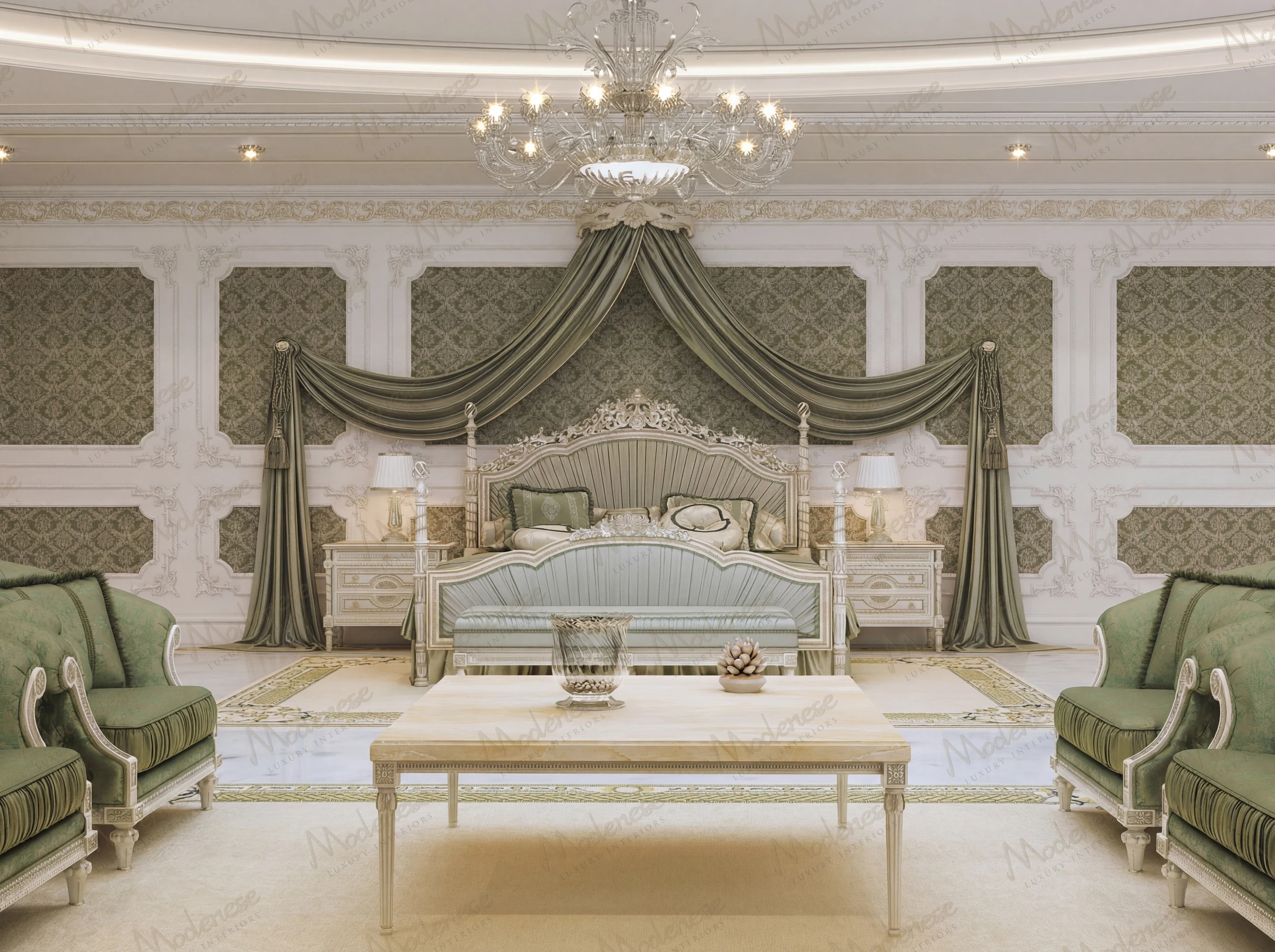
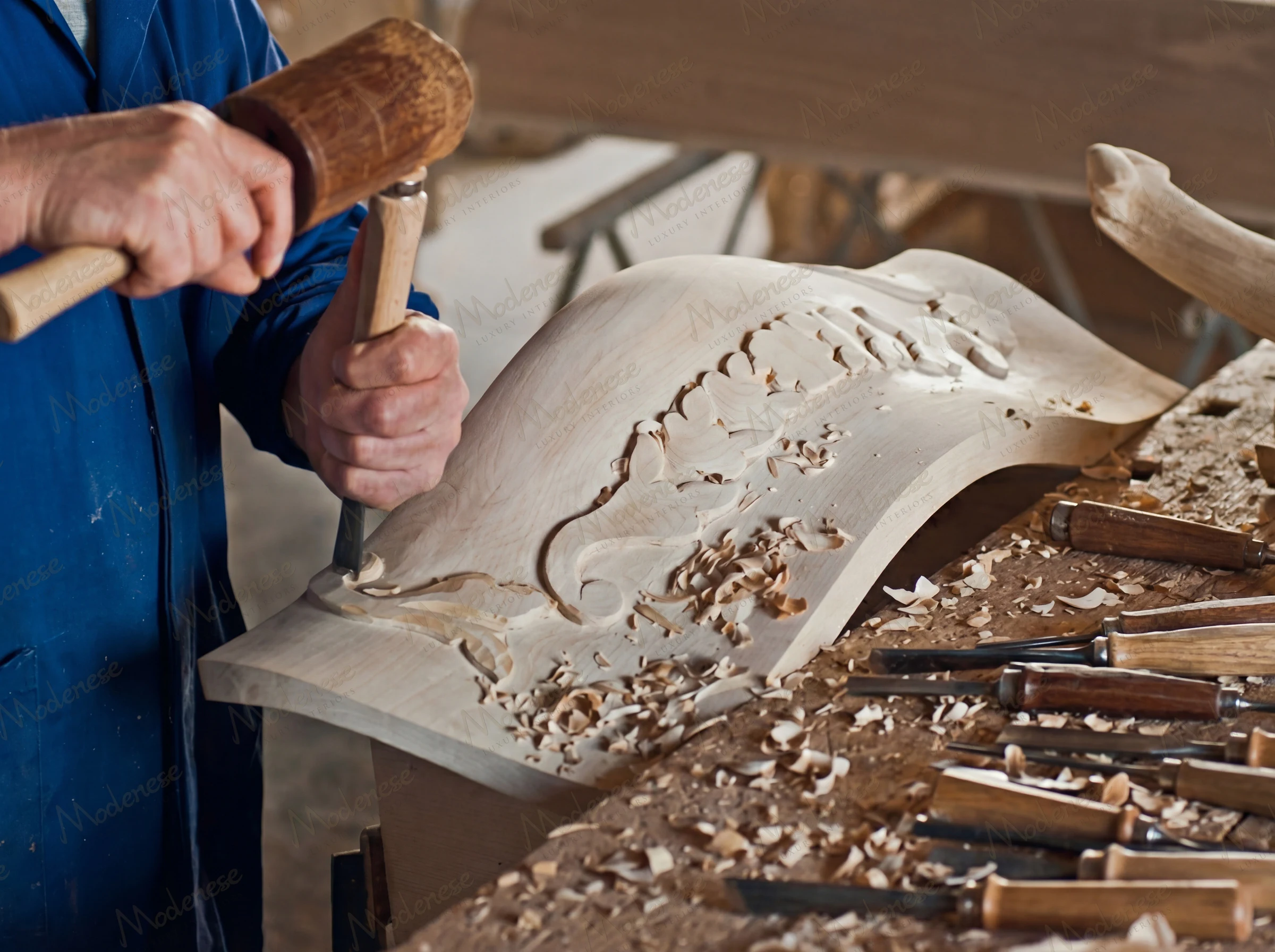
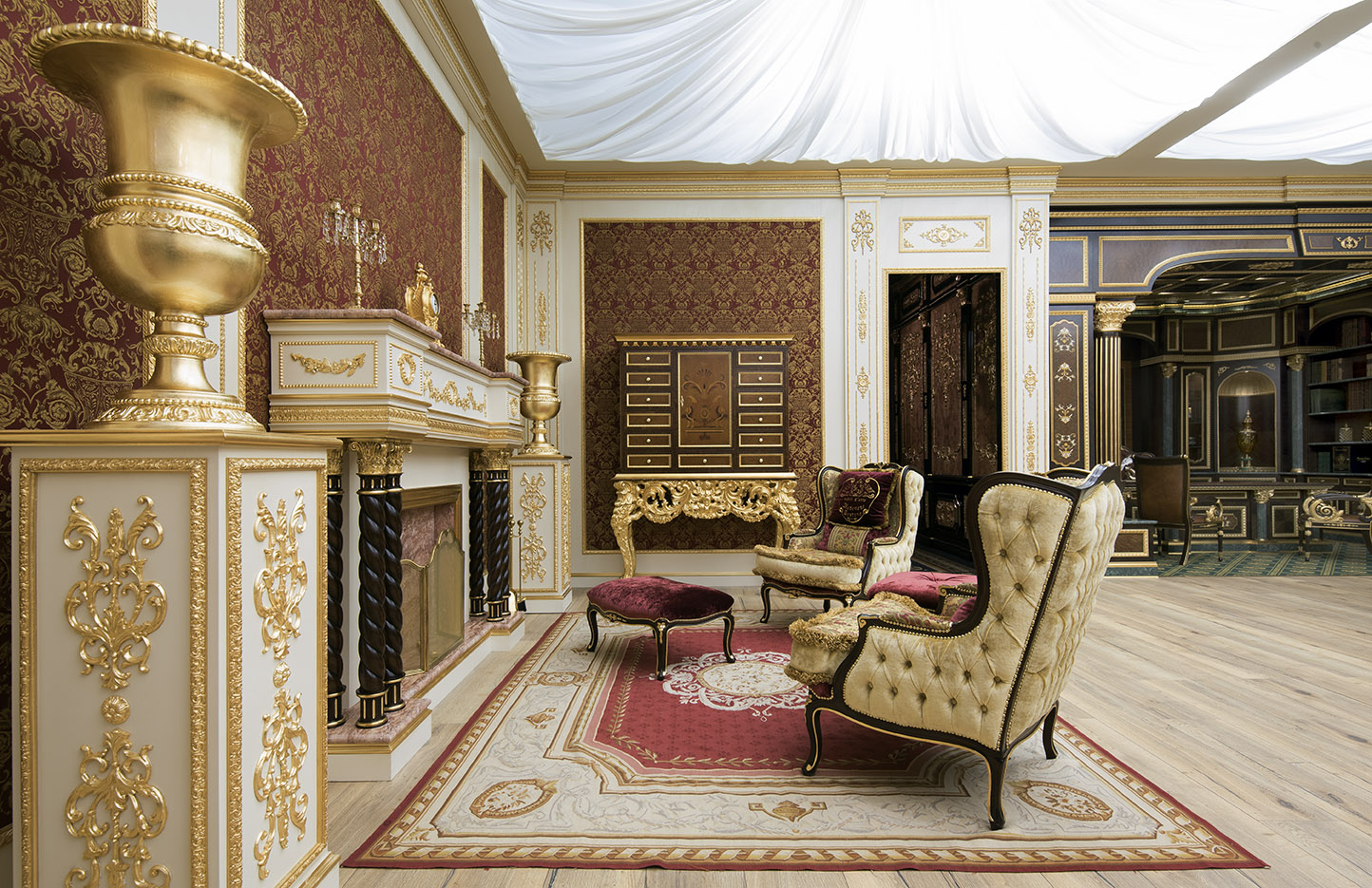
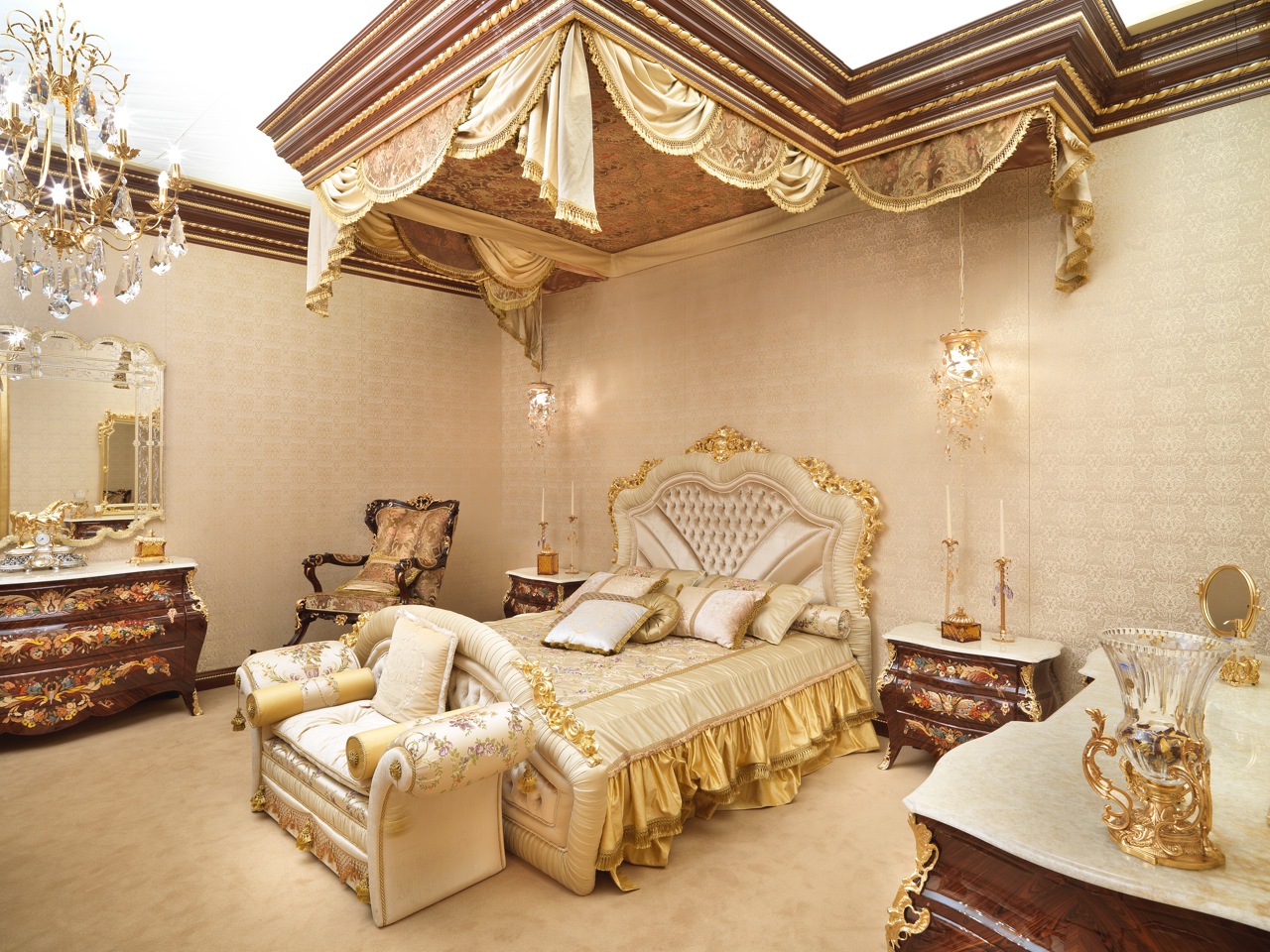
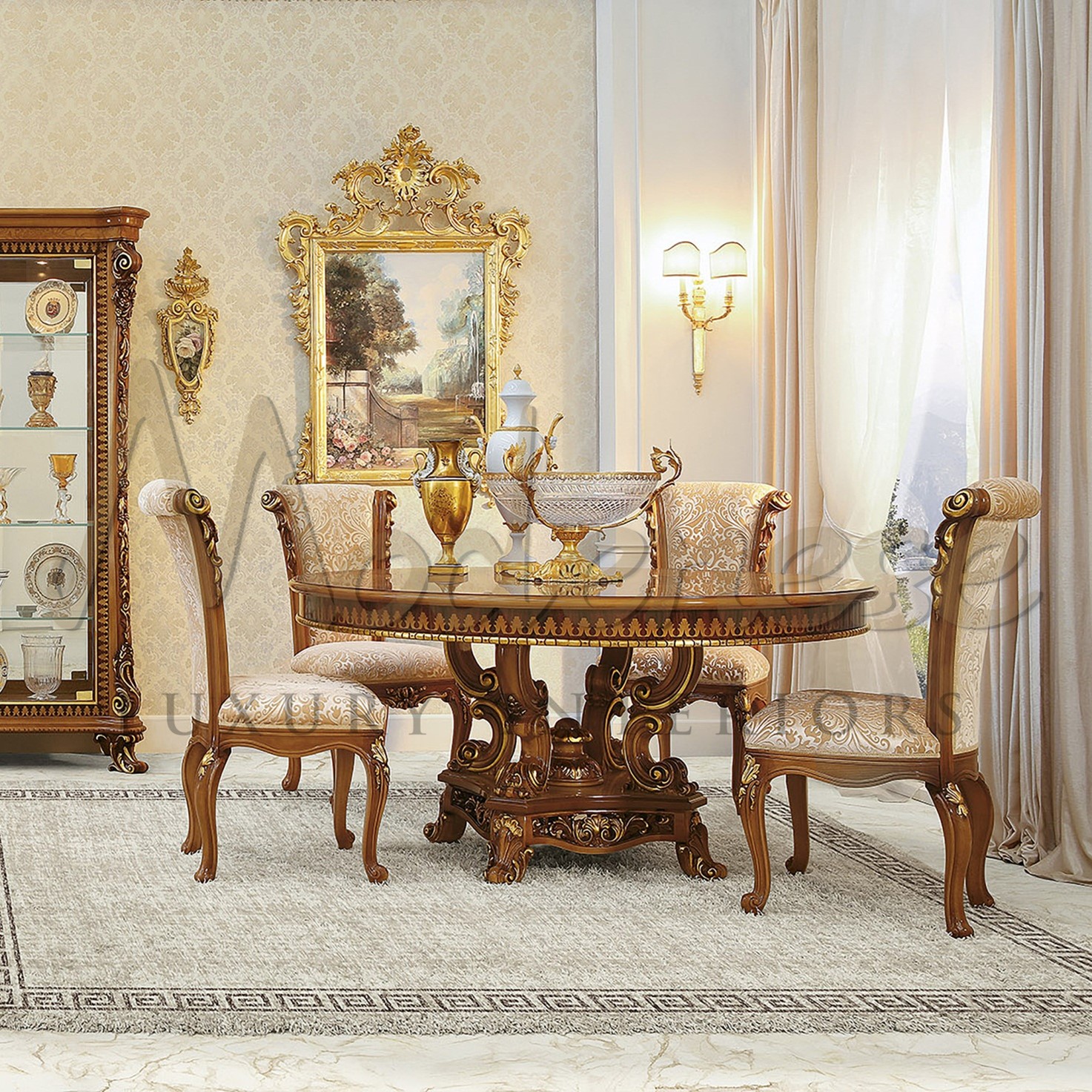
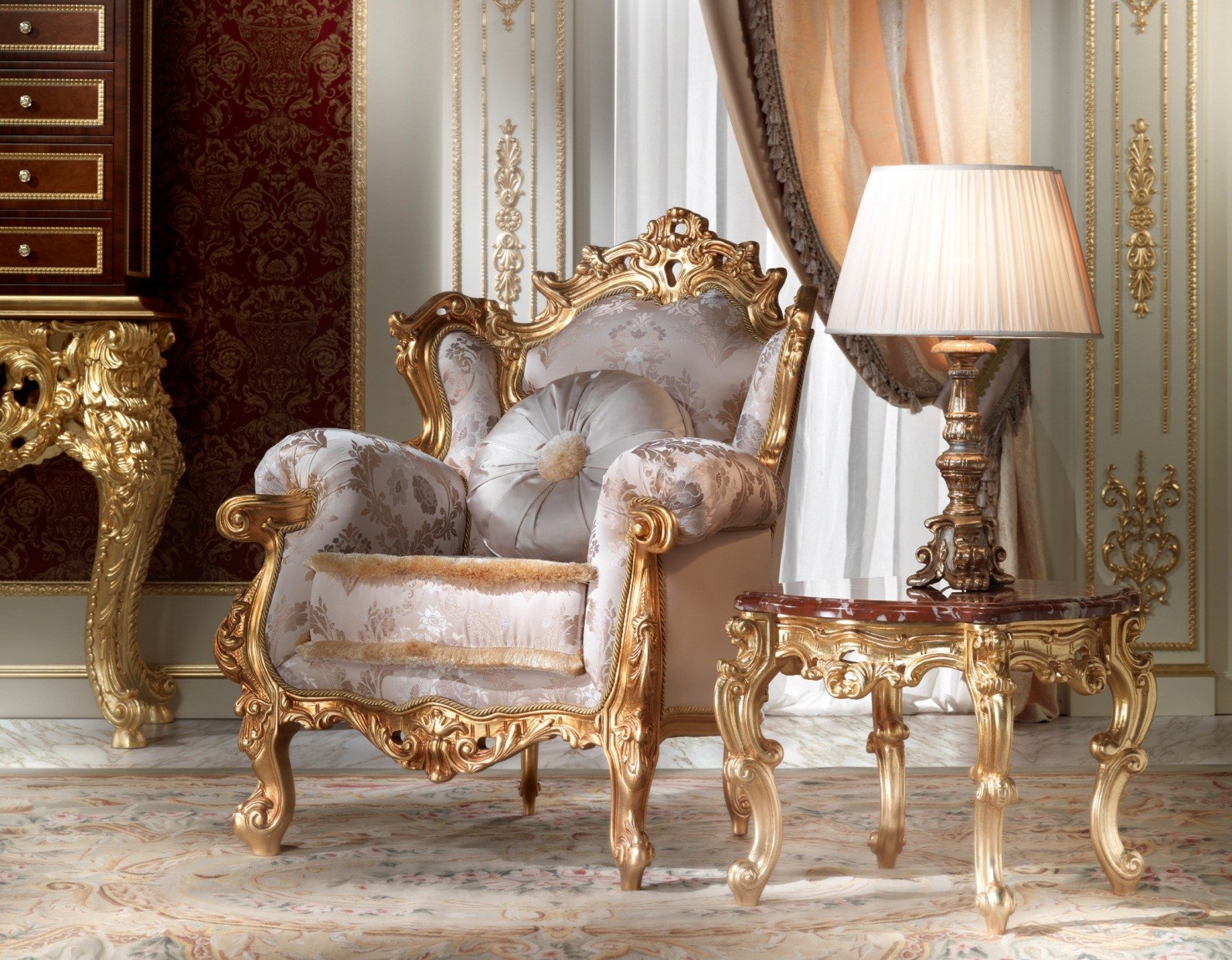
Antique Italian furniture embodies centuries of artistic heritage, craftsmanship, and cultural expression, making it a distinctive choice for refined interiors. Its origins can be traced back to the Renaissance, a period that established Italy as a center of artistic excellence, where furniture was conceived as both functional and decorative. Over time, Italian furniture evolved through the Baroque and Rococo eras, introducing increasingly elaborate forms, sculpted details, and sophisticated surface treatments. Antique Italian pieces are typically crafted from solid woods such as walnut, cherry, or mahogany and are distinguished by hand-carved ornamentation, marquetry, and finely executed inlays. Upholstered elements often feature rich textiles, reflecting the high level of material knowledge and artisanal skill that defined historical Italian furniture production.
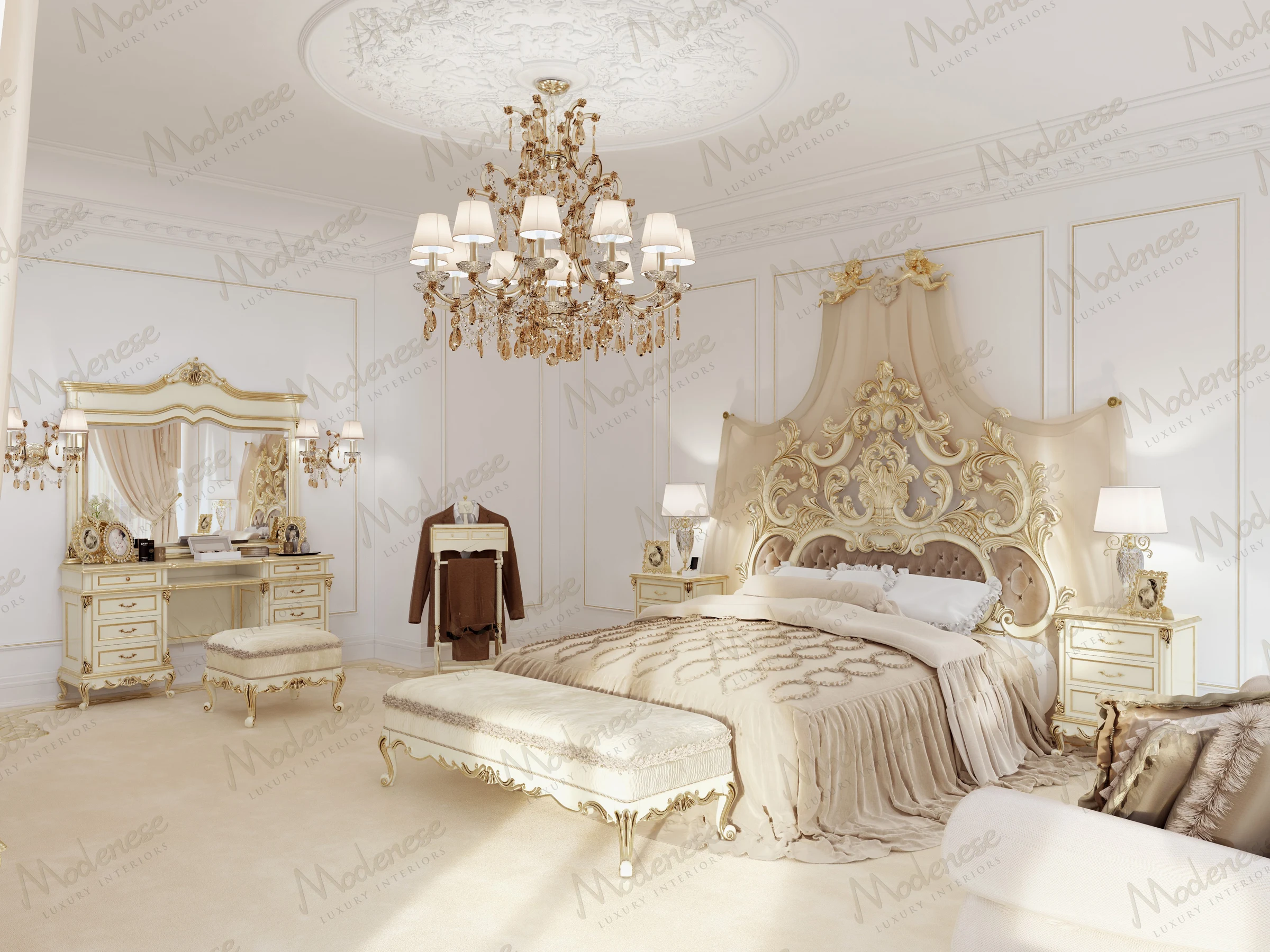
The enduring appeal of antique Italian furniture lies in its ability to transcend trends while adding depth and personality to an interior. These pieces bring a sense of history and authenticity that cannot be replicated by contemporary production, making them ideal focal points within both classic and modern environments. Their balanced proportions and decorative detailing allow them to integrate seamlessly into a variety of design styles, from traditional residences to eclectic or contemporary spaces. In addition to their aesthetic value, antique Italian furnishings are often appreciated for their investment potential. Crafted with exceptional materials and techniques, many pieces increase in value over time, offering homeowners the opportunity to combine refined design with long-term worth.
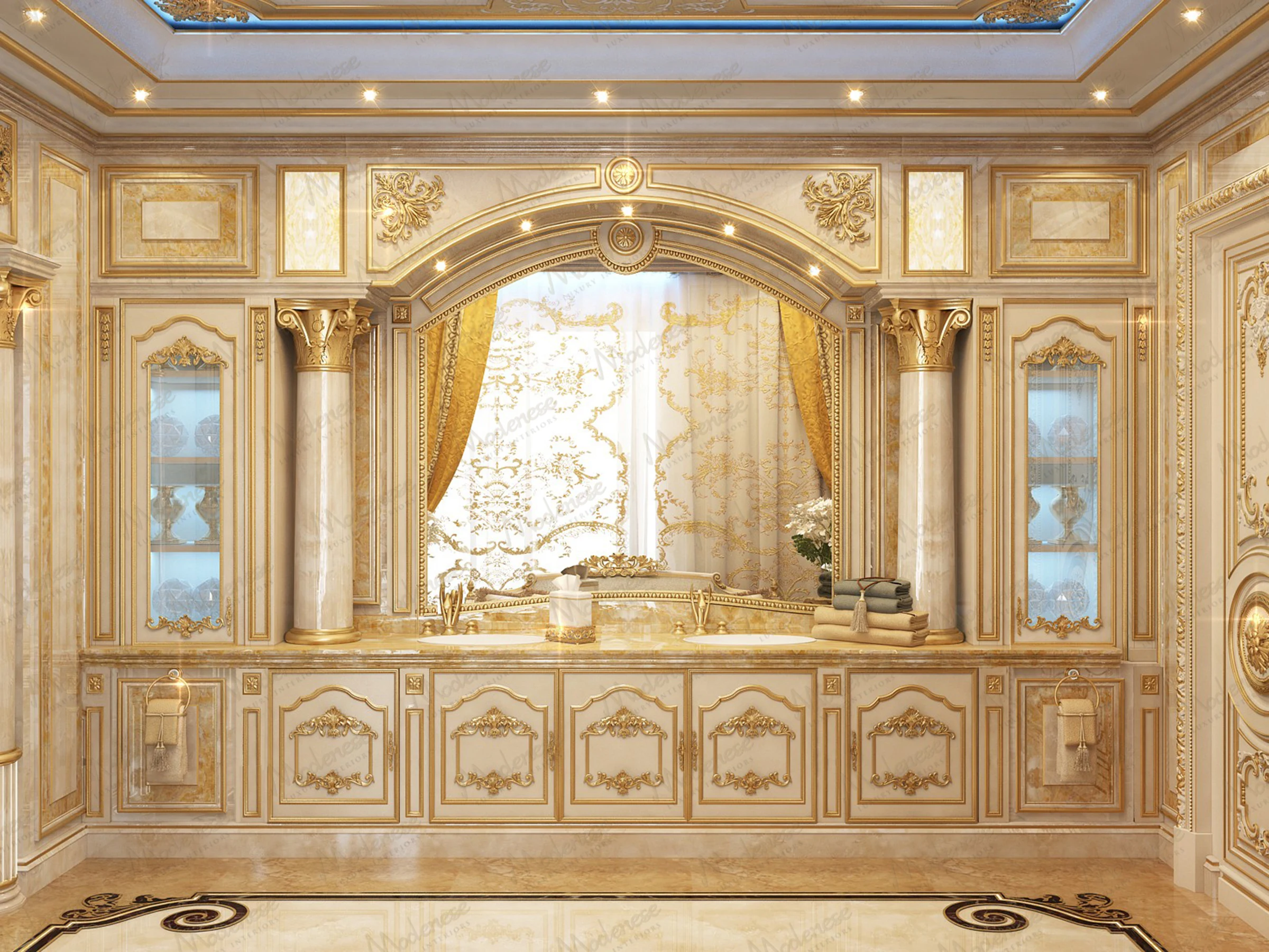
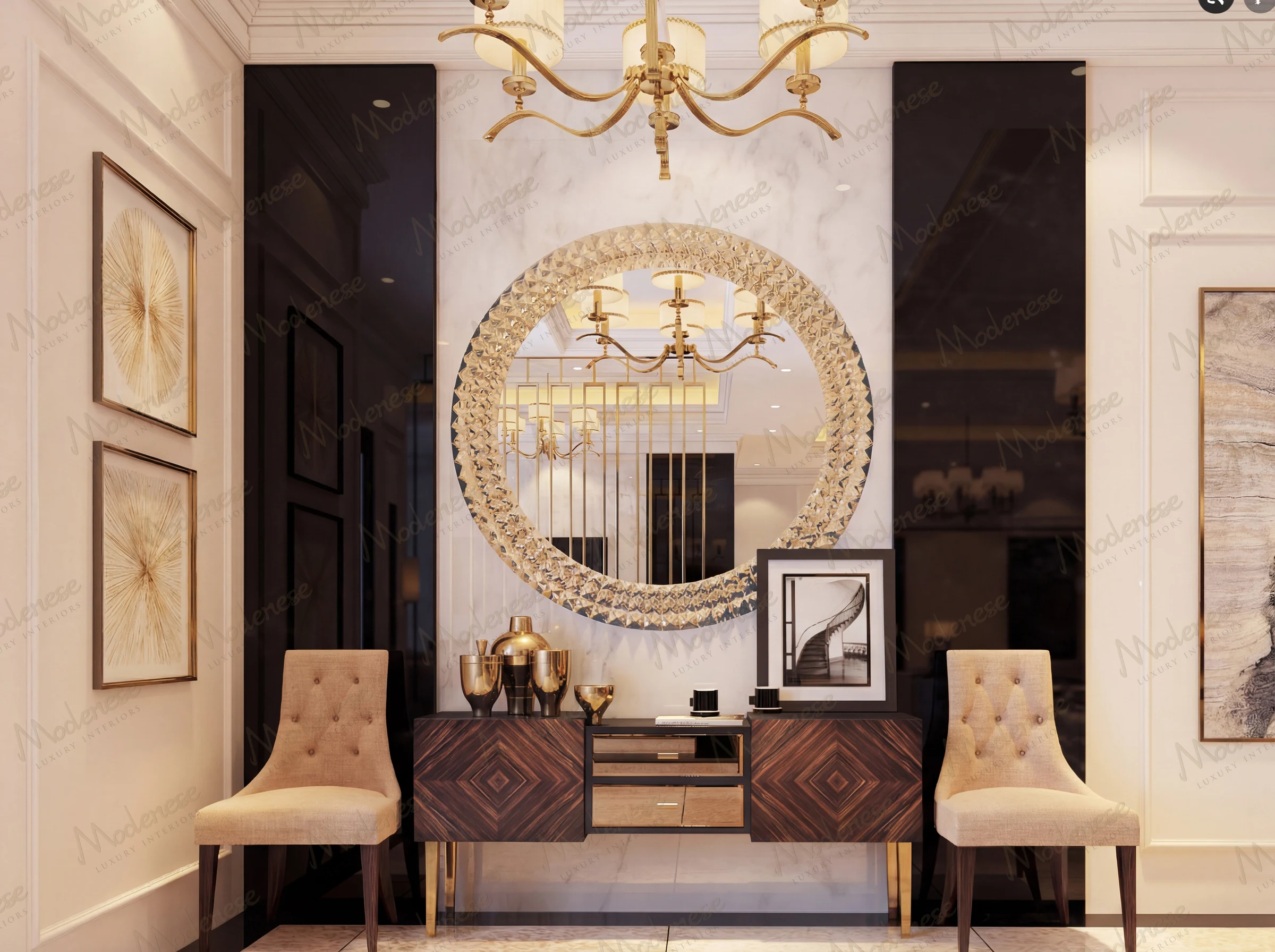
Selecting and integrating antique Italian furniture requires a thoughtful and informed approach. When choosing a piece, it is essential to evaluate authenticity, craftsmanship, and condition, relying on reputable sources with proven expertise. Once introduced into an interior, antique furniture should be balanced with contemporary elements to create visual harmony rather than contrast for its own sake. Neutral palettes, complementary textures, and measured placement help highlight the character of each piece while maintaining cohesion. Proper care and preservation are equally important to ensure longevity and retain original features. As appreciation for heritage design continues to grow, antique Italian furniture remains a meaningful expression of timeless elegance, offering interiors a sense of continuity, cultural depth, and enduring beauty.

Contact us
Please leave your details below and one of our sales agents will be happy to answer any questions and assist you